Considering a move to Longmont but not sure what daily life really feels like? You’re not alone. Many buyers want Front Range access, outdoor time, and a lively small-city vibe without downtown Boulder prices. This guide gives you a grounded look at neighborhoods, commutes, parks, dining, and the tradeoffs that help you decide if Longmont fits your goals. Let’s dive in.
Where Longmont sits and who lives here
Longmont is a mid-sized city on Colorado’s northern Front Range with a population around 100,000. It sits northeast of Boulder and north-northeast of Denver at the transition from plains to foothills, so you get big-sky views and quick access to trails. Many residents work in Boulder, Broomfield, and the Denver metro, though Longmont also has its own job base in light manufacturing, tech, professional services, retail, and healthcare.
The quick take: you’ll find a blend of historic small-city charm and suburban neighborhoods, along with ready outdoor access. It’s typically more affordable than Boulder and less urban than central Denver. That balance is a big part of Longmont’s appeal.
Neighborhoods and housing types
You can choose from several distinct areas, each with its own feel and housing mix.
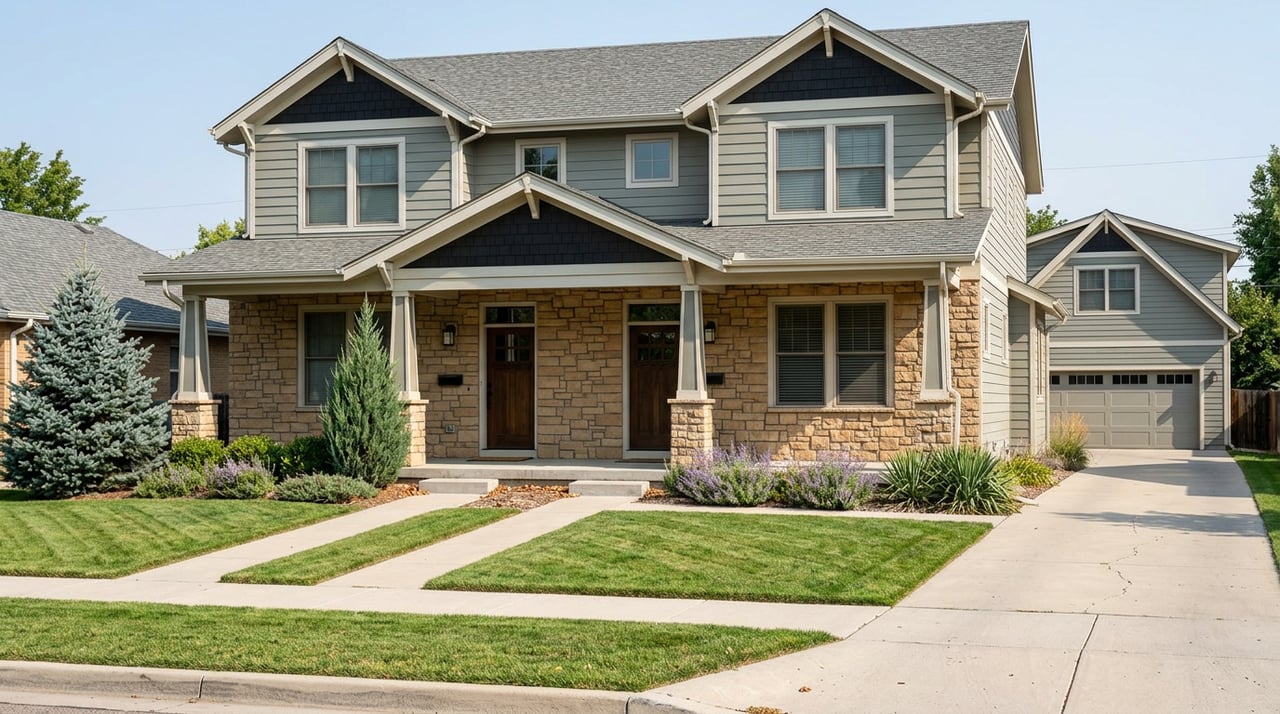
- Old Town and Downtown: The historic core offers brick storefronts, restaurants, galleries, and a seasonal farmers market. Single-family homes on smaller lots, bungalows, and older multifamily buildings sit close to the commercial strip. If you want walkability and character, this area is worth a look.
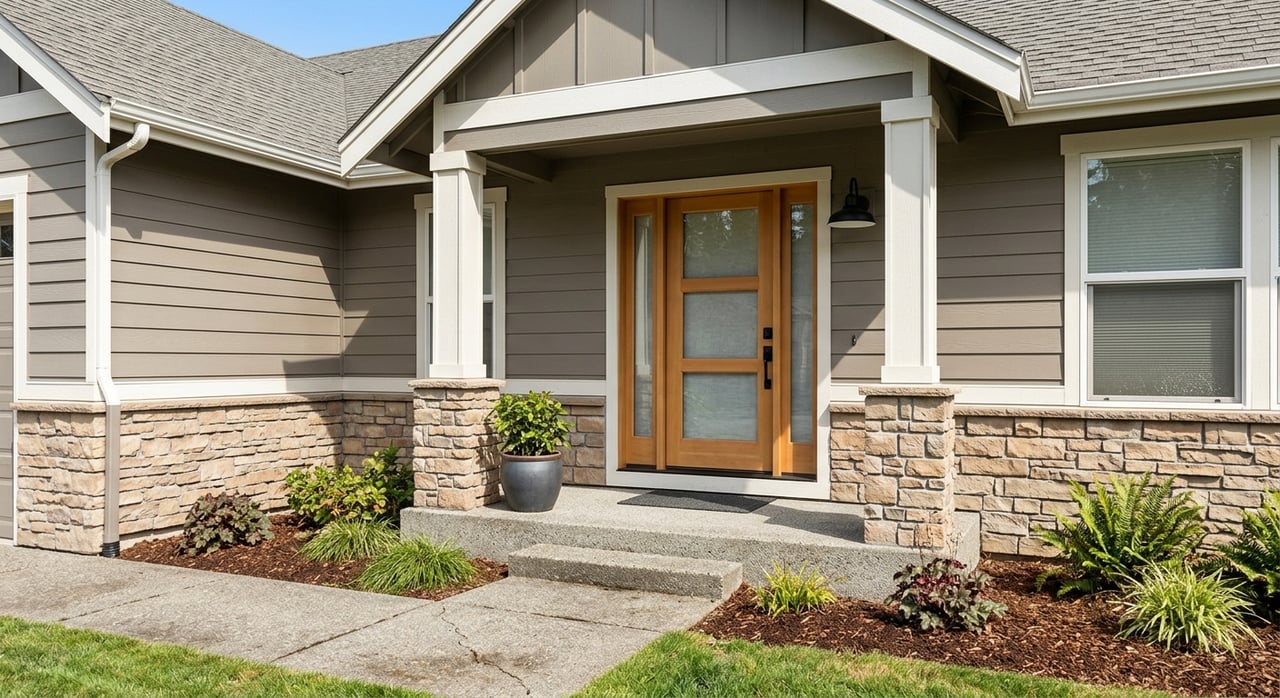
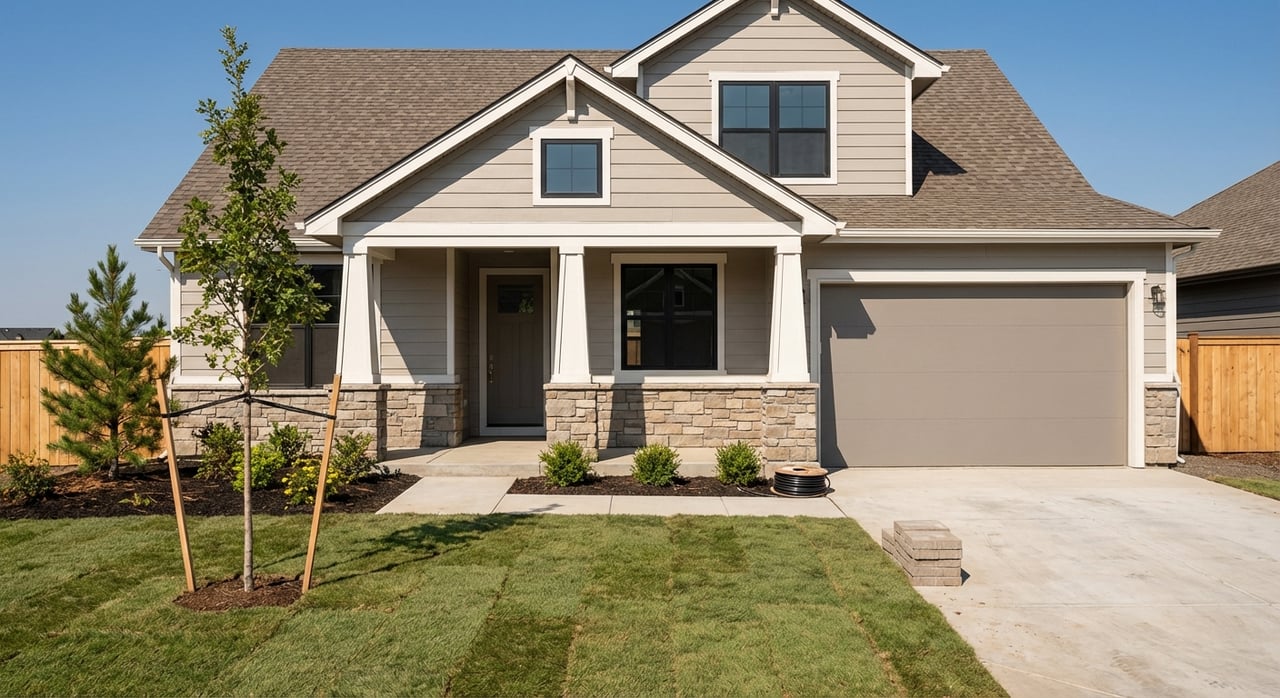
- North and East Longmont: Newer subdivisions and master-planned communities are common here. You’ll see modern single-family homes, townhomes, and recent construction that often attracts buyers who want more space and newer finishes.
- South and West Longmont: These mixed-age neighborhoods include older single-family homes, some light industrial and commercial corridors, and pockets that can offer comparatively more attainable options.
- Rural edges and outlying areas: If you want room to spread out, the edges of town include agricultural parcels, larger lots, and semi-rural properties.
Typical housing types include older bungalows and ranches, 1970s to 1990s single-family homes, newer master-planned communities, condos and townhomes near Old Town and along transit corridors, and some multifamily apartment complexes. Age-restricted options are limited but do exist. Prices and inventory shift with market conditions, so expect micro-markets to behave differently based on location and property type.
Getting around and commutes
For many residents, the commute tradeoff is part of the decision. Here’s what daily travel looks like for most people.
- To Boulder: Driving typically runs 20 to 30 minutes depending on where you start and time of day. Traffic and weather can add time, especially during peak hours.
- To Denver: Central Denver often takes 40 to 60 minutes or more. If you commute daily to downtown Denver, test the drive during your usual time window to confirm your tolerance.
- Transit: Longmont does not have a direct commuter rail line as of mid-2024. Regional service is bus-based with park-and-ride options for commuters. Check current routes and schedules if buses are part of your plan.
- Bikes and walking: Many parts of Longmont are bike and pedestrian friendly, especially near Old Town and along the St. Vrain Greenway. Some residents even bike-commute to Boulder.
If commute time is a top priority, map your most frequent routes, then drive them during peak windows. You’ll quickly see how your tolerance lines up with reality.
Parks, trails, and outdoor life
Longmont leans into outdoor time. The St. Vrain Creek and Greenway thread through the city with multi-use trails, riparian habitat, and linear parks. It’s easy to hop on for a morning jog, an afternoon family ride, or a quick reset after work.
Local reservoirs, nearby trails, and foothills access serve weekend hiking, mountain biking, fishing, and trail running. You can be on Front Range paths quickly, and higher alpine adventures are within an hour-plus drive. The city also maintains community parks, sports fields, pools, and programmed recreation, so you can choose between spontaneous trail time and structured activities.
Dining, breweries, and culture
Old Town anchors much of the city’s food and evening energy with casual dining, sit-down spots, and an active craft beer scene. You’ll find local breweries and taprooms alongside a range of restaurants.
For arts and culture, the Longmont Museum and Cultural Center hosts exhibits and community programming, and seasonal events bring live music, art walks, parades, and farmers markets into the mix. Daily shopping is convenient across town, with groceries and independent shops close by. For certain big-box or specialty items, residents sometimes drive to nearby communities.
Schools, healthcare, and services
Public schools in Longmont are primarily served by the St. Vrain Valley School District. You’ll also find charter and private options. If schools matter for your decision, verify current attendance boundaries, programs such as IB, STEM, and dual-language, and enrollment data directly with district and state education sources.
For healthcare, Longmont has local hospitals, clinics, and urgent-care facilities that cover routine and emergency needs. For specialized care, you’re close to major centers in Boulder and the Denver metro.
City services, including garbage, snow removal, and street maintenance, are handled locally. If safety is a key factor, review neighborhood-level police data and crime maps to understand patterns on a block-by-block basis.
Cost of living and taxes
Cost of living in Longmont is generally above the national average, similar to other Front Range communities. Housing tends to be more affordable than Boulder and some closer-in Denver neighborhoods, though market conditions can change quickly. Property taxes, utility costs, and HOA fees vary by neighborhood and property type, so it pays to review line items during your search.
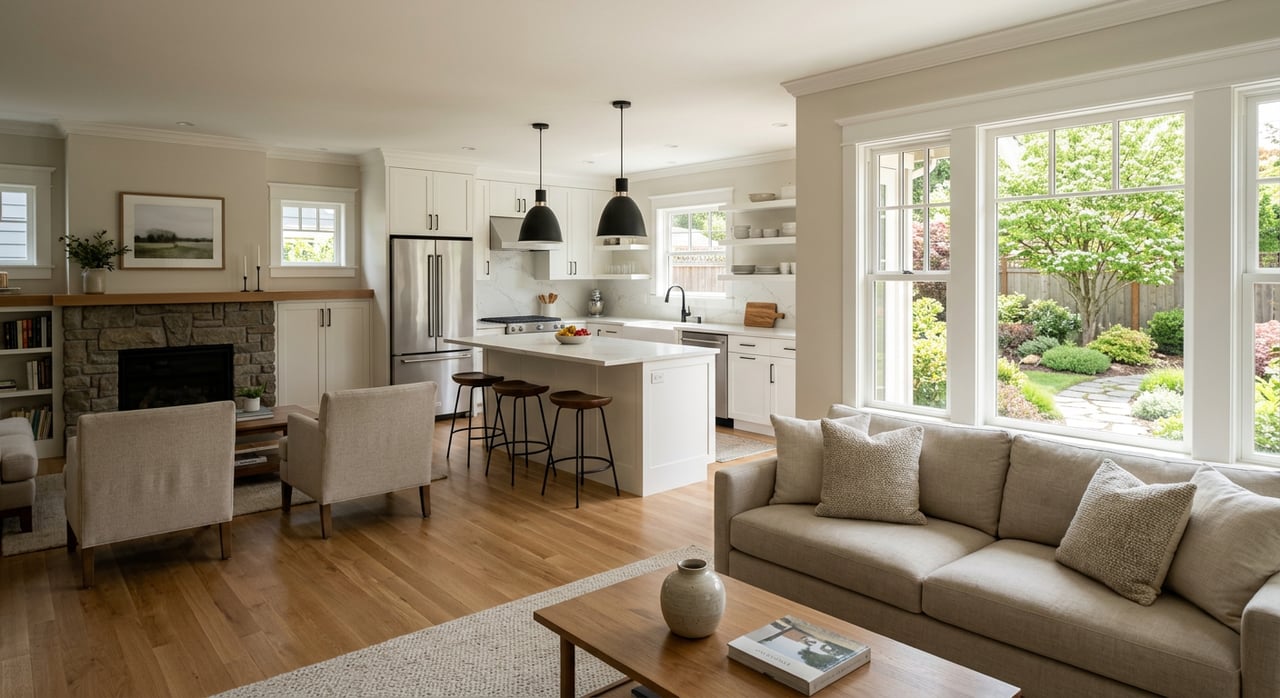
If you’re comparing a historic home near Old Town with a newer home in a master-planned community, factor in potential differences in utilities, maintenance, and HOA services. Your monthly numbers can shift more based on these details than you might expect.
Buyer and seller notes in today’s market
Inventory, days on market, and price pressure have fluctuated since 2020. Desirable micro-markets can still move fast, particularly walkable Old Town properties and homes near parks and schools. Buyers should be ready for competition in these areas and keep a clear price ceiling.
For sellers, thoughtful prep and pricing strategy matter. Homes that highlight outdoor living, flexible work spaces, and proximity to trails or services tend to show well. For buyers, writing strong, clean offers and staying flexible on close dates can help your position without stretching beyond your budget.
How Longmont compares nearby
- Versus Boulder: Longmont is typically more affordable and feels more suburban, with more single-family options. Boulder is denser and higher priced, with an immediate draw from tech and academic anchors.
- Versus Broomfield, Erie, and Westminster: Longmont offers a more defined small-city downtown than many bedroom suburbs, and you often find larger lots compared with some closer-in Denver areas.
- Versus smaller plains towns east of I-25: Longmont provides more in-town services, cultural amenities, and established parks and trails.
If you need daily access to central Denver, a closer-in suburb may shorten your commute. If you want a lively small-city core, open space nearby, and balanced pricing, Longmont stands out.
Is Longmont a fit for you?
Consider your daily rhythm. Do you want a morning trail run on the Greenway, a quick bike ride to coffee, and an easy family stroll at sunset? Do you prefer newer homes with modern layouts, or are you drawn to historic blocks and front-porch streets?
Think about work location, transit preferences, and how you spend weekends. Longmont supports an active, community-oriented lifestyle with parks, casual dining, and local events, while still offering regional access to Boulder and Denver.
Quick checklist to plan your move
- Test your commute to Boulder and Denver during your actual drive times.
- Walk Old Town and tour a couple of open houses nearby to feel the street energy.
- Compare a newer subdivision tour with an established neighborhood to check your preferences.
- Explore the St. Vrain Greenway and a local reservoir to sample outdoor options.
- Review school boundaries and program offerings if that is part of your decision.
- Price out total monthly costs, including HOA, utilities, and potential maintenance.
Tips for buyers, sellers, and investors
- Buyers: Get pre-approved and define your must-haves versus nice-to-haves. In popular areas, be ready to move quickly and lean on local comps.
- Sellers: Focus on curb appeal, functional updates, and outdoor spaces. Timing your list date to match buyer activity can improve your results.
- Investors and accidental landlords: Longmont’s mix of single-family homes, townhomes, and small multifamily can offer a range of options. If you’re exploring house-hacking or portfolio growth, evaluate rents, maintenance, and long-term hold strategies alongside purchase price.
Ready to take the next step or compare neighborhoods in person? Reach out to schedule a walkthrough plan and talk through your timing and budget. With integrated buyer, seller, and property-management services, you can make decisions that fit both your lifestyle and long-term goals. Connect with Kenneth Allen to get started.
FAQs
What is the commute from Longmont to Boulder and Denver?
- Typical drive times are about 20 to 30 minutes to Boulder and 40 to 60 minutes or more to central Denver, depending on traffic and time of day.
Does Longmont have commuter rail service?
- Not currently. As of mid-2024, commuter options are bus-based with regional connections and park-and-ride options.
What kinds of homes are common in Longmont?
- You’ll see older bungalows and ranches, 1970s to 1990s single-family homes, newer master-planned communities, condos and townhomes near Old Town, and some multifamily apartments.
How does Longmont compare in affordability to Boulder?
- Longmont is typically more affordable than Boulder, though market conditions change. Exact pricing varies by neighborhood, property type, and timing.
What outdoor options will I have near home?
- The St. Vrain Greenway provides multi-use trails across town, with local reservoirs and nearby foothills offering hiking, biking, fishing, and trail running.
Which school district serves Longmont?
- Public schools are primarily in the St. Vrain Valley School District, with charter and private options; always verify boundaries and programs directly with the district.