Thinking about cutting your energy bills and living a little greener in Boulder? You are not alone. Many local buyers want homes that are efficient, comfortable, and ready for the future, from EV charging to solar-ready roofs. In this guide, you will learn which features stand out in Boulder, what they typically cost, how incentives may help, and simple ways to boost appeal before you list. Let’s dive in.
Why it matters in Boulder
Boulder’s four-season climate brings cold, snowy winters and plenty of sunshine the rest of the year. That mix makes heating performance and solar potential top priorities. Many homes here range from older bungalows to mid-century and newer infill, so upgrade needs and opportunities can vary by age and design.
The community values sustainability and efficiency, supported by local climate goals and programs. Buyers often ask about lower operating costs, electrification options, and features that work in colder weather. When you pair the right upgrade with solid documentation, you improve comfort and reduce monthly costs, which helps your home stand out.
Top features buyers want
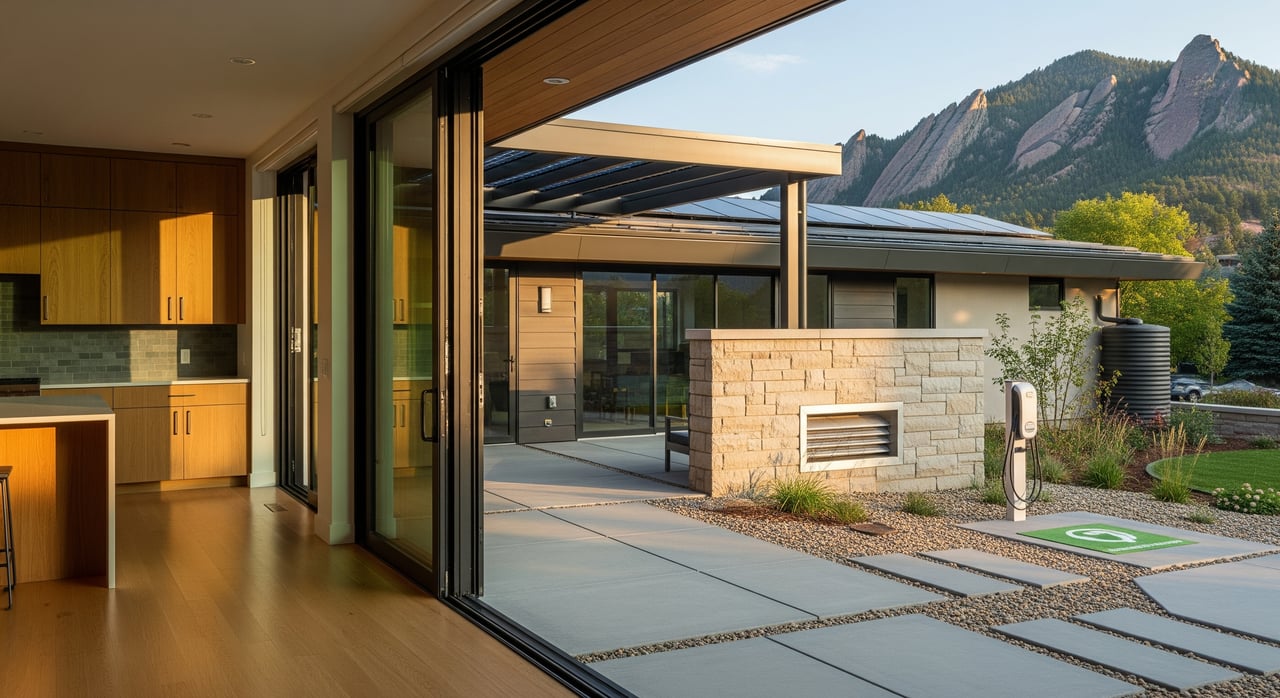
EV charging at home
- What it is: A Level 2 EV charger uses a 240 V circuit for faster charging. An EV-ready setup includes a dedicated 240 V circuit and space for a future charger.
- Why it matters in Boulder: EV interest is high. Home charging adds daily convenience and reduces reliance on public stations.
- Typical costs: Hardware often runs about $300 to $900. Installation can range from $300 to $2,500 or more based on distance to the panel, panel capacity, conduit runs, or trenching.
- Incentives: Federal and state incentives have been available for EV chargers and installation. Local utilities may offer rebates or special rates for home charging. Program details change, so check current offerings with the Colorado Energy Office and your utility.
- Installation notes: Many jurisdictions require an electrical permit. Panel capacity is a common constraint and can trigger a panel upgrade. Use a licensed electrician and request load calculations.
- Resale appeal: Installed Level 2 or EV-ready wiring is a clear selling point in Boulder. It removes a barrier for EV buyers and signals a future-ready home.
Solar-ready roofs and rooftop solar
- What solar-ready means: A roof in good condition with favorable orientation, minimal shading, and electrical infrastructure that simplifies future tie-in. South and southwest exposures are often ideal.
- Why it matters in Boulder: Colorado’s strong solar resource and local interest in lower carbon footprints make on-site generation attractive.
- Typical costs: A typical 6 kW residential system in the U.S. often lands in the low-to-mid five-figure range before incentives. Size and roof complexity influence cost.
- Incentives: The Federal Residential Clean Energy Credit can reduce net cost for qualifying installations. State or utility programs may add savings. Confirm current percentages and eligibility with official sources.
- Installation notes: Roof age is critical. Replacing a roof soon after installing solar is costly. If you are not ready to install, create a solar-ready dossier with roof age, a structural assessment, shade analysis, and an electrical plan.
- Resale appeal: Documented, permitted solar with transferable warranties is a strong selling point. Even solar-ready conditions add value by cutting buyer research and retrofit time.
Heat pumps for heating and cooling
- What they are: Heat pumps move heat instead of creating it through combustion. Modern cold-climate models can handle many Colorado winter conditions and also provide cooling.
- Why it matters in Boulder: Buyers want lower operating costs and reduced emissions. A single system that heats and cools appeals to many households.
- Performance: Cold-climate air-source heat pumps function at lower outdoor temperatures than older units. Some homes use backup or hybrid setups for very cold snaps, depending on design.
- Typical costs: Retrofits vary widely. Ductless or smaller ducted systems can range from the mid four-figures to the low five-figures. Whole-house ducted systems trend higher based on home size and ductwork.
- Incentives: Federal tax credits and state or utility rebates have supported qualifying heat pumps. Confirm current rules and program caps before you buy.
- Installation notes: Proper sizing and experienced installers matter. Duct condition affects performance. Request commissioning records and manufacturer specs.
- Resale appeal: Buyers like documented installs, warranty details, and performance notes. In Boulder, heat pumps signal both comfort and climate-friendly living.
Efficient windows and envelope improvements
- What they are: High-performance windows with double or triple panes, low-E coatings, and gas fills reduce heat loss and drafts. Air sealing and insulation improve comfort and energy use throughout the home.
- Why it matters in Boulder: This improves comfort in cold months, lowers heating bills, and can reduce noise.
- Typical costs: Replacement windows often run from several hundred dollars to over $1,000 per window depending on size, glazing, frame, and install needs. Air sealing and insulation can offer strong savings per dollar.
- Incentives: Federal, state, or utility programs have supported insulation and high-efficiency windows. ENERGY STAR labels help signal performance.
- Installation notes: Correct installation is crucial. Air sealing and insulation contractors may provide blower-door testing and diagnostics before and after work.
- Resale appeal: Quality, documentation, and remaining warranties influence perceived value. Targeted fixes, like attic insulation and strategic window replacements, can be cost-effective and visible to buyers.
Smart thermostats and home energy controls
- What they are: Connected thermostats allow scheduling, remote control, and integrations with HVAC or home energy systems.
- Why it matters in Boulder: Buyers like lower bills, comfort, and modern convenience. Smart thermostats are often the easiest step into energy management.
- Typical costs: Many devices run about $100 to $300. Professional setup is simple when wiring is standard.
- Incentives: Some utilities offer rebates for qualifying devices or participation in demand-response programs.
- Installation notes: Check HVAC compatibility and the presence of a C-wire. Installation can be DIY or handled by a technician.
- Resale appeal: This is a visible, low-cost upgrade that shows the home is cared for and up to date.
Simple upgrades that pay off
If you plan to sell in the next year, consider these practical steps that can make your listing more attractive. Always gather documentation and permit records.
Low cost, quick wins
- Install a smart thermostat. It is affordable and easy to notice during showings.
- Replace visible bulbs with LEDs. Buyers appreciate the modern look and efficiency.
- Do basic air sealing. Weatherstrip doors and caulk gaps to reduce drafts.
- Collect documentation. Compile manuals, warranties, recent energy bills, and any audit reports.
Moderate cost, strong appeal
- Add a Level 2 EV outlet if your panel has capacity. EV-ready wiring removes friction for buyers.
- Upgrade attic insulation and schedule a blower-door test. The measurable results are persuasive.
- Replace a few problem windows with ENERGY STAR models. Start with the most noticeable or drafty locations.
Higher cost, high impact
- Install a heat pump system or a heat pump water heater. Provide sizing and commissioning documentation.
- Add rooftop solar or assemble a solar-ready packet. Include roof age, structural notes, shade study, and panel capacity.
- Upgrade the electrical panel for future EVs and solar. This reduces barriers for buyers planning additional upgrades.
Permits, inspections, and value
Most electrical, HVAC, and structural work requires permits and final inspections. Unpermitted work can raise flags during buyer inspections and in seller disclosures. Keep installer invoices, permits, and final sign-offs organized.
For solar, clarify ownership. If the system is owned, share warranty and installer details. If it is leased or part of a power purchase agreement, provide clear contract terms, transfer steps, and any buyer approval requirements. For all systems, confirm whether warranties are transferable.
Appraisers may account for energy features when there is documentation of savings or certified ratings. Utility bills, energy audit reports, and warranty paperwork can help support value. The better organized your folder, the smoother the sale.
How to present energy features when listing
- Create a one-page summary. Bullet the upgrades, dates, model numbers, and warranties.
- Include utility history. Show seasonal patterns and any drop in usage after upgrades.
- Add test results. If you completed a blower-door test or energy audit, include the findings and recommendations.
- Photograph the details. Capture the EV outlet, solar inverter label, heat pump nameplate, attic insulation, and window stickers.
- Note permits and contractors. Buyers want to see licensed, permitted work with final inspections.
Tips for buyers during showings
- Look for EV readiness. A dedicated 240 V outlet or labeled breaker is a plus.
- Ask about roof age and shading. If you want solar later, this matters.
- Check the HVAC. If there is a heat pump, ask for model info, service records, and commissioning notes.
- Review windows and comfort. Open and close a few to check fit. Ask about any drafts in winter.
- Confirm smart thermostat compatibility. If you plan to add one, ask about wiring.
Make the most of Boulder’s market
Energy-smart features are more than a feel-good upgrade in Boulder. They can improve comfort, lower monthly costs, and make your home stand out to eco-minded and tech-forward buyers. Whether you are prepping to sell, deciding what to upgrade, or evaluating a home to buy, the right plan and documentation will help you move confidently.
If you want a local partner who understands both the sales side and long-term ownership, we can help you prioritize the right improvements and present them clearly to the market. Ready to talk through your home or investment property? Connect with Kenneth Allen. Let’s talk about your property.
FAQs
Do heat pumps work in Boulder winters?
- Modern cold-climate heat pumps are designed for lower temperatures, and some homes add backup or hybrid setups; ask for model specs, installer details, and commissioning records.
Will rooftop solar complicate a Boulder home sale?
- Owned systems with clear documentation typically transfer smoothly; leased or PPA systems require contract disclosure and buyer approval, so gather all terms early.
What does EV-ready mean for a Boulder home?
- EV-ready usually means a dedicated 240 V circuit and panel capacity available for a Level 2 charger, installed by a licensed electrician with proper permits.
Which energy upgrades add fast resale appeal in Boulder?
- Low-cost visible upgrades like smart thermostats and EV-ready outlets, paired with organized documentation and permit records, often deliver quick buyer interest.
How should Boulder sellers document energy upgrades?
- Create a packet with permits, warranties, model numbers, installer invoices, utility history, and any energy audit or blower-door test results to support appraisal and buyer confidence.