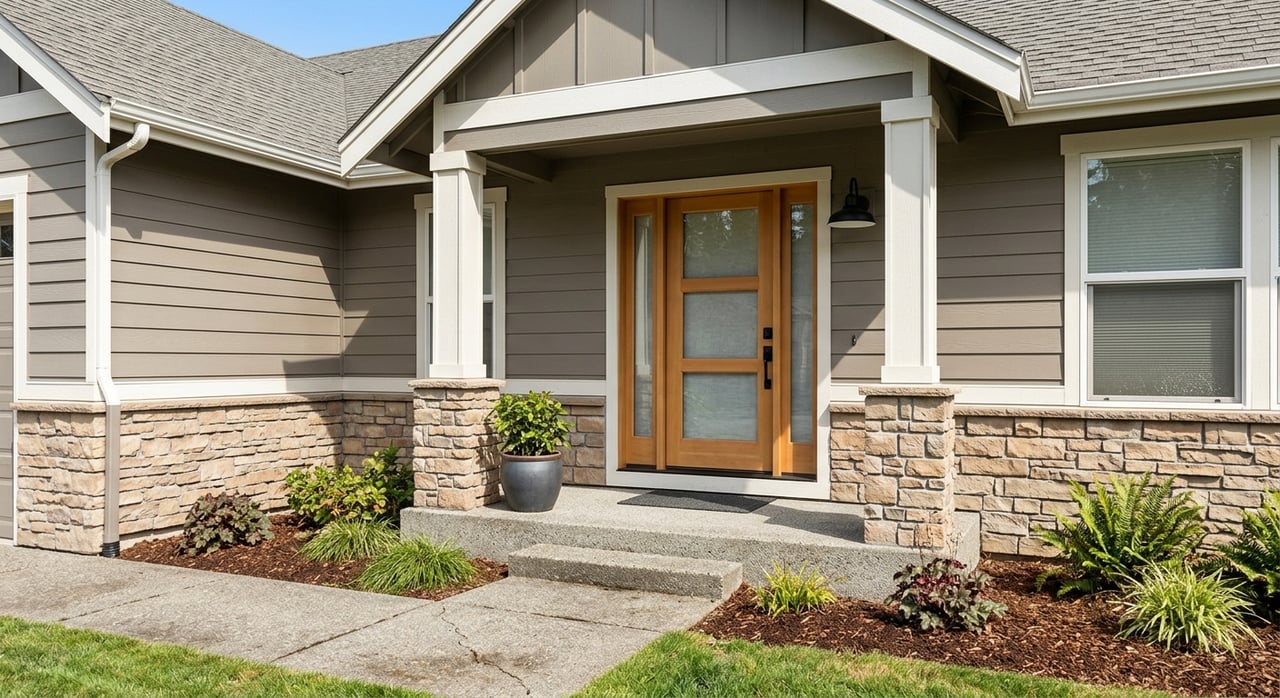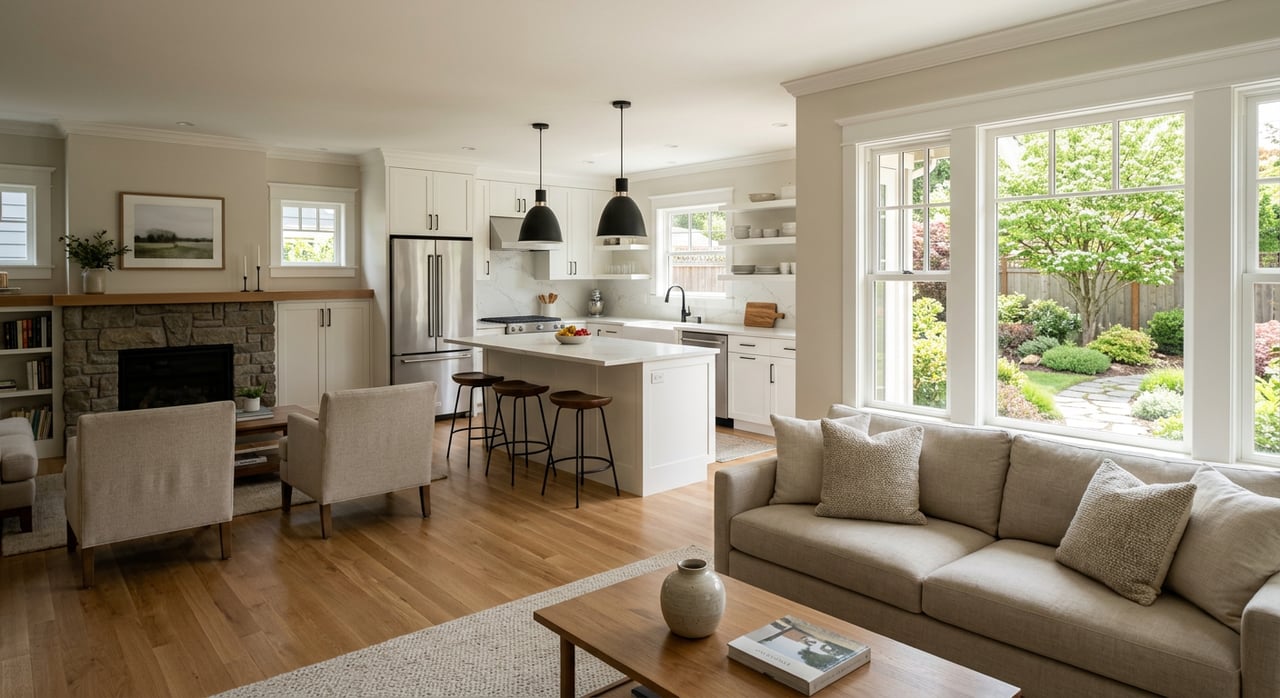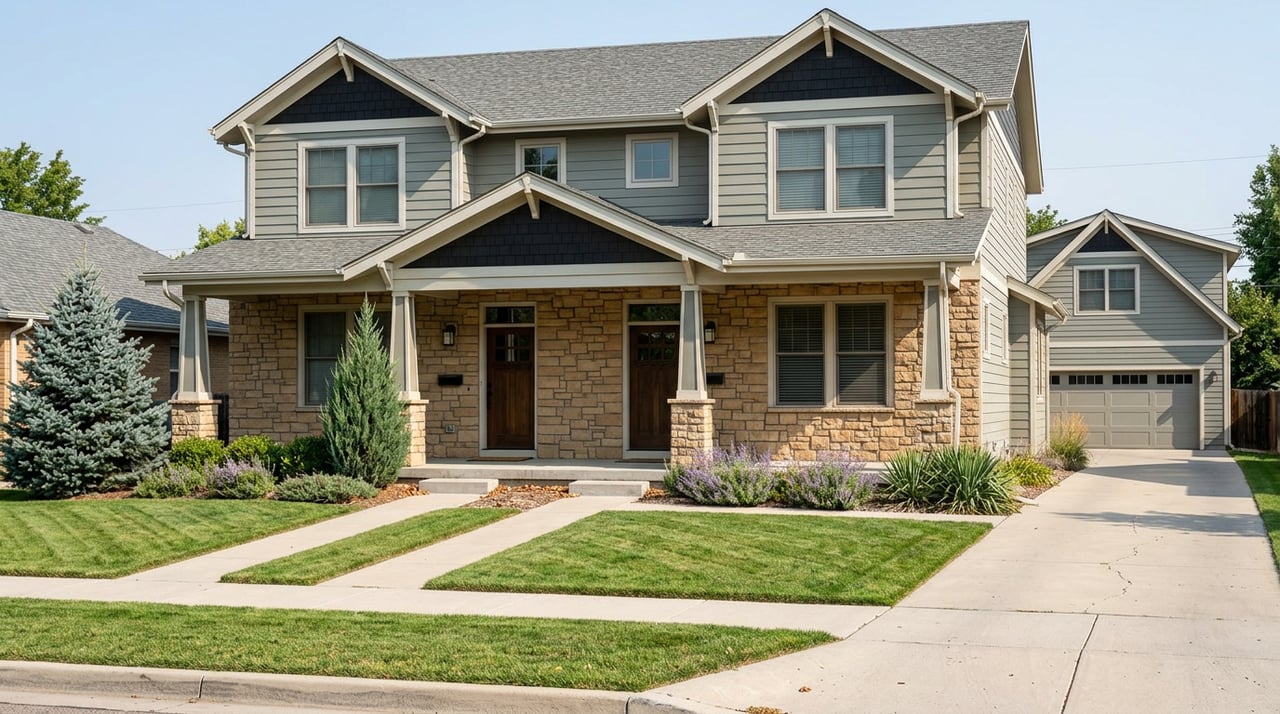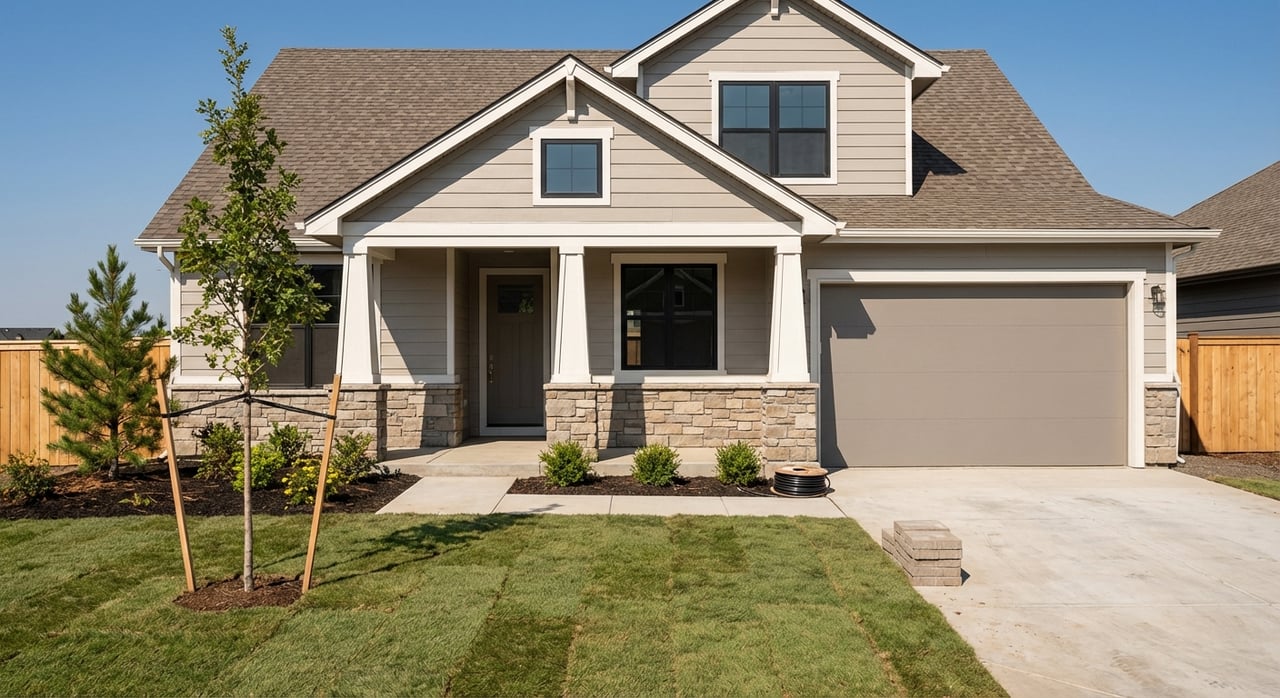
Thinking about a new construction home in Erie but not sure where to start? You’re not alone. Between different builders, design choices, HOAs, metro‑district taxes, inspections, and timelines, the process can feel overwhelming. This guide breaks down how Erie’s new‑build process really works so you can move forward with confidence. Let’s dive in.
Erie new construction at a glance
Erie is growing with large, master‑planned neighborhoods that roll out in phases. Town development records show multi‑phase communities with a mix of single‑family homes, paired homes, and townhomes. If you want the official word on where certain products are planned, the Town’s development ledger and meeting files are the most up‑to‑date sources. You can review active plans and agreements in the Town of Erie’s development records.
One key local detail is jurisdiction. Much of Erie sits inside the Town, which enforces the 2021 International Codes. Some lots fall in unincorporated Weld County, which uses the 2018 code set. That difference can affect plan reviews, energy requirements, and inspection steps you’ll see during the build. You can verify the rules for your specific lot through the Town’s Building Codes and Design Criteria and Weld County’s Building Codes and Fees.
Many new communities here use HOAs and metro districts. HOAs typically handle amenities and community standards, and metro districts levy a separate property tax mill to pay for infrastructure. That metro tax may not appear until after the first county valuation, so it can feel delayed. To research a specific neighborhood, check the Town’s HOA Directory and the Town’s page on Neighborhoods, HOAs, and Metro Districts.
Builder types you’ll see
- National production builders. High volume and well‑organized timelines. You choose from a set of floorplans and elevations with focused personalization at a design center.
- Regional or semi‑custom builders. More flexibility on plan tweaks and finish options, often at a higher price point and longer timeline.
- Spec builders. Build first, then sell. If you need a quicker move, this can be a fit.
- Custom builders. You drive the design with the builder and architect. Expect longer timelines and higher design involvement.
Local subdivision filings and model‑home marketing usually make it clear which category a builder falls into. Your ideal fit depends on timing, budget, and how much customization you want.
How choices work: plan, lot, elevation, options
In Erie’s production communities, you’ll usually follow a sequence: choose your floorplan, pick your lot, select an exterior elevation, then head to the design center for finishes and upgrades. The Town’s production‑home process mirrors this format with stock plan sheets plus an “enhancement options” set that becomes part of the permit file. If you’re curious what documents builders must submit, review the Town’s Production Home Submittal page.
Lot features matter. Corner lots, cul‑de‑sacs, walkout basements, and view corridors can carry premiums. Builders may limit which elevations can go on a lot to maintain curb appeal variety across the block. Ask to see the community plat, lot matrix, and elevation distribution map so you understand your exact choices and any premiums before you sign.
Contracts, deposits, and selections
Most builders follow a path that looks like this: model visit, lot reservation, purchase agreement, design‑center appointment, construction, walkthrough, and closing. Earnest money, option‑deposit timing, and change‑order rules vary by builder. Some items are refundable and some are not. Review the contract closely and ask questions about deposit risk, upgrade deadlines, and how any change requests work.
Your design‑center appointment is where allowances and upgrades come together. Clarify what is included in the base price versus what is an add‑on. Get a written list of deadlines for structural selections, mechanical options, and finish choices so you don’t miss cutoffs.
Timelines you can expect
Move‑in‑ready spec homes are often the fastest path, sometimes just a few weeks to a few months if there’s inventory. If you are building from scratch with a production builder, plan on roughly 4 to 10 months depending on builder backlog, season, and supply chains. Semi‑custom and custom builds commonly run 9 to 18 months or more. Your financing choice, rate‑lock period, and any construction loan requirements can also shape the calendar. For a helpful overview of construction‑loan structures, see this guide to construction loans.
Inspections, third‑party checks, and your CO
Erie’s production‑home process requires specific supporting documents and third‑party checks before final inspections and a Certificate of Occupancy. Expect items like soils reports, foundation observations, energy compliance documentation, and radon requirements to be addressed before closing. Once a complete CO submittal is filed, the Town notes a typical 48‑hour processing turnaround. You can see the CO and inspection submittal checklist on the Town’s Production Home Submittal page.
Many buyers add independent phase inspections for peace of mind. Common phases include pre‑pour or foundation, pre‑drywall, and a final inspection near completion, plus an optional 11th‑month review during your warranty period. A phase checklist from industry inspectors is a good planning tool. You can review an example on InterNACHI’s new construction inspection checklist.
Upgrades, allowances, and cost tradeoffs
Think in two buckets. Structural and mechanical upgrades affect the bones of the house and are tough to change later. Cosmetic finishes like flooring, cabinets, counters, and lighting are easier to adjust down the road. Builders often set allowances for certain items and you pay the difference if you go over.
Keep a running total of upgrade dollars and what they do to your monthly payment. A small bump in the contract price can have a modest monthly impact, while a big design‑center spree can change your financing profile. Before you finalize selections, ask your lender to estimate the monthly payment effect so you can weigh wants versus budget.
Warranties and what to expect after closing
Most builders follow a “1‑2‑10” model. That typically means 1 year of coverage for workmanship and materials, 2 years for systems like electrical and plumbing distribution, and up to 10 years for major structural defects. Ask who backs the warranty, how to file a claim, and when coverage starts. Many builders use third‑party administrators. For general questions about claims processes and coverage definitions, you can start with 2‑10 Home Buyers Warranty’s contact page.
Plan on documenting punch‑list items at your orientation and final walkthrough, then track responses after you move in. During your first year, keep a simple list of items to review at your 11th‑month visit so you can submit timely warranty requests.
Financing new construction: options to discuss
- Construction‑to‑permanent loans. Also called one‑time close. You close once and the loan converts to a standard mortgage when the home is complete.
- Standalone construction loans. You finance the build, then refinance into a permanent mortgage at completion.
- Program‑specific products. FHA, VA, or USDA construction options may be available depending on eligibility and location.
Discuss rate‑lock periods, draw inspections, interest‑only phases during construction, and how the appraisal of the finished home will be handled. For a plain‑English overview of these choices, see the construction loan guide.
New build vs. resale: how they differ
New construction gives you modern layouts, energy‑code compliance, and a lower near‑term maintenance outlook, plus the chance to personalize finishes. You also get a defined warranty. On the other hand, upgrades can add up, HOAs and metro‑district taxes are common, and builders sometimes hold a firmer line on price depending on demand.
It’s also important to know who represents whom. On‑site sales reps work for the builder. Their job is to sell the builder’s homes. Having your own buyer’s agent means you have an advocate focused on your priorities during lot selection, contract review, design‑center strategy, and any incentive negotiations.
Builders frequently use incentives like closing‑cost credits, rate buydowns, or upgrade allowances. Incentives vary by community and by phase, so ask early and compare the builder’s preferred‑lender offer with an independent lender quote.
Legal notes: Colorado construction‑defect timelines
Colorado has specific rules for construction‑defect claims, including timelines for notice and filing. In many cases there is a two‑year statute of limitations from discovery and a six‑year statute of repose. The law continues to evolve, especially for multi‑family communities. For a current legal summary, review this analysis of Colorado’s latest construction‑defect law changes from Otten Johnson here. If you face a complex claim, consult a qualified attorney.
Quick checklist for Erie new builds
- Confirm jurisdiction for your lot and review the applicable codes: the Town’s Building Codes and Design Criteria or Weld County’s Building Codes and Fees.
- Look up HOA rules and assess if a metro district applies with the Town’s HOA Directory and Neighborhoods, HOAs, and Metro Districts.
- Identify builder type and your priorities for speed, price, and customization.
- Walk the lot in person, ask about premiums, and verify which elevations can be built on it.
- Map your upgrade budget by category and estimate monthly payment impact with your lender.
- Schedule independent phase inspections and keep a clean communication trail with the builder.
- Clarify warranty coverage, who backs it, claim steps, and start dates.
- If building from scratch, discuss rate locks and appraisal timing with your lender.
- Compare new‑build options with nearby resale homes to weigh total cost and timeline.
- Secure independent buyer representation before you visit models or sign.
Ready to explore new construction with a local advocate who understands both brokerage and property management? Reach out to Kenneth Allen to talk timing, budget, and neighborhoods that fit your goals.
FAQs
What building codes apply to new homes in Erie?
- The Town of Erie enforces the 2021 International Codes, while some lots in unincorporated Weld County follow the 2018 code set. Verify your lot’s rules on the Town’s Building Codes and Design Criteria or the County’s codes page.
How do HOAs and metro districts affect costs for Erie new builds?
- HOAs charge dues for amenities and standards, and metro districts add a separate mill levy on your tax bill that may appear after the first county valuation; research specifics in the Town’s HOA Directory and Neighborhoods, HOAs, and Metro Districts.
What inspections happen before closing on a new construction home in Erie?
- The Town requires certain third‑party documents and inspections before final approvals and a Certificate of Occupancy; many buyers also add independent phase inspections like pre‑pour, pre‑drywall, and final, guided by checklists such as this new construction inspection resource.
How long does it take to build a new home in Erie?
- Spec homes can be ready in weeks to a few months, production new‑to‑build often takes 4 to 10 months, and semi‑custom or custom builds commonly run 9 to 18 months or more, depending on weather, supply chains, and permit timing.
Do I need my own agent when buying from a builder in Erie?
- Yes, on‑site reps work for the builder, so having an independent buyer’s agent gives you an advocate for lot selection, contract terms, design‑center choices, and incentive negotiations at no added cost to you in most cases.
What does a 1‑2‑10 builder warranty cover?
- Generally 1 year covers workmanship and materials, 2 years cover systems distribution, and up to 10 years cover major structural items; confirm who backs the warranty and how to file claims, and review coverage start dates in your packet.