If you only know Estes Park during summer, you are seeing just one version of the town. Once the busiest visitor months fade, daily life becomes easier to picture and, for many people, easier to enjoy. If you are thinking about living, buying, or investing here, it helps to understand what the town feels like when it settles into its year-round rhythm. Let’s dive in.
Estes Park Feels Different Off-Season
Estes Park sits at 7,522 feet at the eastern base of Rocky Mountain National Park, so everyday life is shaped by elevation, dry air, and changing weather. Summer highs are often in the 70s with cool nights, while winter days are often in the 40s and nights in the 20s. NOAA normals for the local station show average January temperatures of 40.0°F and 18.9°F, average July temperatures of 79.3°F and 47.9°F, annual precipitation of 16.47 inches, and annual snowfall of 75.1 inches.
That climate shapes how you plan your routines. Spring can still bring snowstorms, and higher-elevation trails may hold snow and ice late into the season. In practical terms, living here means staying flexible, layering up, and paying attention to conditions rather than assuming one season follows a strict calendar.
Getting Around Is Easier After Summer
One of the biggest differences beyond tourist season is the pace. The Town of Estes Park says downtown parking is free from late October through late May, although overnight parking still requires a permit year-round. That alone changes the feel of errands, dining out, and quick trips downtown.
Traffic patterns shift, too. The town uses seasonal Community Service Officers because summer brings a major increase in vehicle and pedestrian traffic. Once peak season tapers off, it is generally easier to move around town, park, and spend time in the core without the same summer congestion.
Transit Options Change By Season
Estes Park is still largely car-oriented, but it is not cut off from the Front Range. Visit Estes Park lists typical driving times at about 53 minutes to Loveland, 1 hour to Longmont, 1 hour to Boulder, 1 hour 15 minutes to Fort Collins, and 1 hour 36 minutes to Denver. It also notes there are no mountain passes to cross from those communities.
Transit is most useful during the tourism season. The Peak, the town’s free shuttle system, runs daily during peak summer from late May through late October, with limited late-fall weekly service. Via Mobility offers year-round in-town rides on weekdays by advance reservation, while Bustang service to Estes Park is scheduled on weekends and select holidays during the summer season.
Trail Ridge Road Is Seasonal
If your routine includes drives west through Rocky Mountain National Park, it is important to know that Trail Ridge Road is seasonal. Visit Estes Park says it usually opens around Memorial Day weekend and closes by early to mid-October. That matters for both recreation and how you think about regional access at different times of year.
Daily Errands Stay Close To Home
Everyday life in Estes Park is local and compact. Many daily needs can be handled in town, especially around Moraine Avenue, downtown, and the Visitor Center area. For a mountain town, that convenience plays a big role in what off-season living feels like.
The Country Market & Deli on Moraine Avenue offers produce, butcher-cut meat, baked goods, deli items, and natural and organic foods. La Mexicana Carniceria & Mini Market adds another neighborhood-style grocery option. Along West Moraine, you can also combine errands with restaurants, drinks, and small services in one short stretch.
For many households, that means weekly life can stay simple. You may still choose to make larger shopping trips to Front Range cities, but many day-to-day basics can be covered locally. That balance is part of what gives Estes Park its practical, small-town feel beyond the peak season.
The Most Useful Areas For Daily Life
Estes Park is often easier to understand through corridors and landmarks than through formal neighborhood lines. If you are trying to picture daily routines, a few parts of town come up again and again.
Downtown And Riverwalk Core
Downtown is the most walkable part of Estes Park. The Riverwalk runs from the Visitor Center to Performance Park and beyond, connecting parks, shops, cafes, and event spaces. In the off-season, this area feels less like a visitor hub and more like a useful part of daily local life.
Lake Estes And Big Thompson Corridor
The Lake Estes Loop connects to the downtown Riverwalk and to the broader Estes Valley trail system. Nearby, the Big Thompson Recreation Area sits close to the Visitor Center, public parking, and Lake Estes Trail. This area works well for short walks, casual recreation, and practical access to town amenities.
West Moraine And Prospect Village
West Moraine functions as one of the town’s most practical everyday corridors. Grocery options, restaurants, drinks, and small services are clustered here within a short drive of downtown. If you value convenience, this is one of the easiest areas to picture as part of a regular routine.
Stanley Park And Fish Creek Road
The town trail system extends through Stanley Park, near the fairgrounds, and farther south along Fish Creek Road. That makes this area especially relevant for daily walks, dog walks, and bike rides. For many residents, that kind of easy outdoor access is part of normal life rather than a weekend event.
Valley Edges And Open Space Access
Areas near Highway 7 and Hermit Park feel more secluded and recreation-focused. Hermit Park Open Space southeast of town offers hiking, horseback riding, mountain biking, camping, and reservable group use. If you want a setting that feels closer to open land and trail access, these edges of the valley may be the most natural fit.
Outdoor Life Continues Year-Round
In Estes Park, outdoor activity does not stop when summer visitors leave. The town trail system links the Riverwalk, Lake Estes Loop, Stanley Park, and Fish Creek Road, giving you everyday options for walking, biking, and getting outside close to home. Many town trails are also pet-friendly, which makes them especially useful for regular routines.
The broader Estes Valley adds even more access. Visit Estes Park notes there are more than 300 miles of trails in Rocky Mountain National Park, plus additional trails in the national forest and Hermit Park. Even if your daily life stays closer to town, that larger outdoor network is part of what shapes the local lifestyle.
Community Life Does Not Shut Down
A common misconception is that Estes Park goes quiet after summer. The reality is more balanced. The town continues to function as a year-round community, with parks, programs, classes, and events that support local routines beyond the visitor rush.
Town-maintained parks such as Bond Park, Big Thompson Recreational Area, and Children’s Park remain important gathering spaces. These are the places that matter for an after-work walk, a short family outing, a community festival, or time outside on a calmer day downtown. Their value becomes even clearer once the crowds thin out.
Indoor Amenities Matter In Cooler Months
The Estes Valley Community Center is open year-round and includes a lap pool, lazy river, indoor track, gym, classes, and event rooms. That gives residents a dependable indoor option when the weather turns or daylight gets shorter. The center helps support a routine that is active and social in every season.
The Estes Valley Library also plays a steady role in year-round life. It offers collections, public computers, printing, meeting rooms, makerspace access, and programs and events, plus a mini-branch at the Estes Valley Community Center. For many residents, these kinds of everyday services are what make a small town feel livable, not just scenic.
Dining Stays Part Of Local Routine
Estes Park has a wider dining base than many people expect, and several options operate year-round. Official listings note year-round service at places such as The Rock Inn Mountain Tavern, Twin Owls Steakhouse, Ember Restaurant & Bar, and The Barrel. West Moraine also adds choices like Coffee on the Rocks, Smokin’ Dave’s BBQ & Brew, and Bird & Jim.
That matters because off-season life is still social. You can meet friends, grab a casual meal, or enjoy a dinner out without the same tourist-season density. For a smaller mountain market, that kind of year-round variety adds real quality to day-to-day living.
Housing Looks More Varied Than Visitors Expect
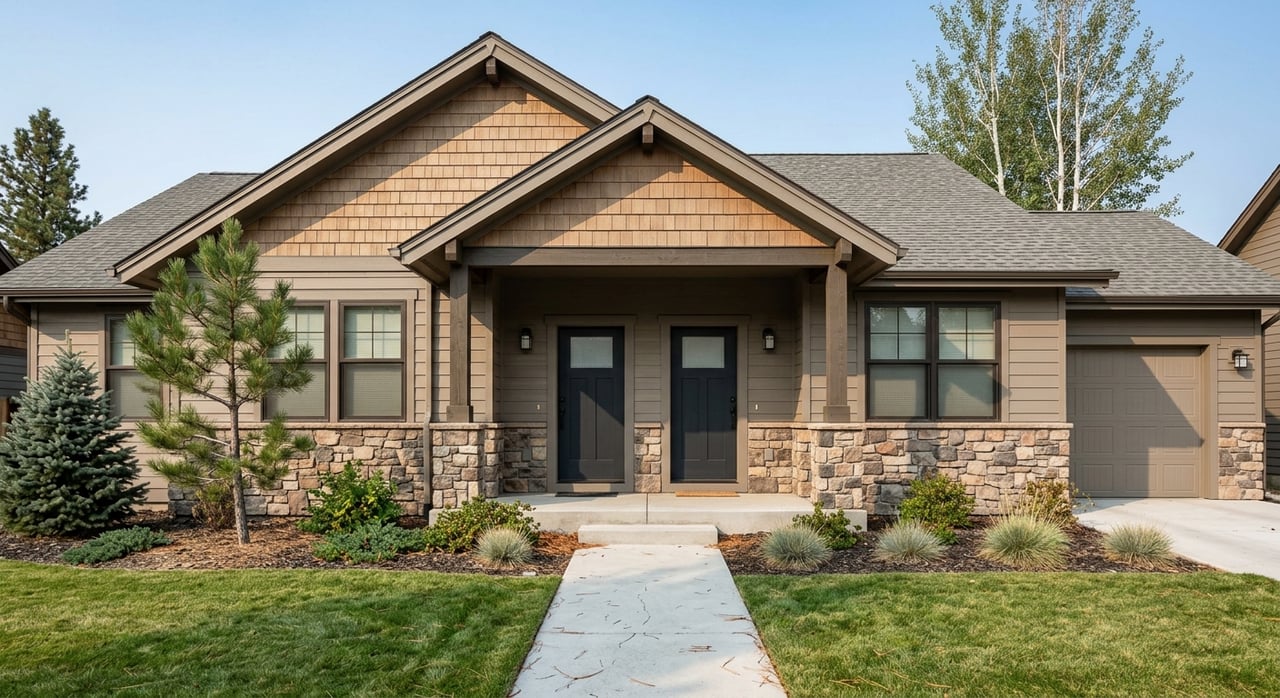
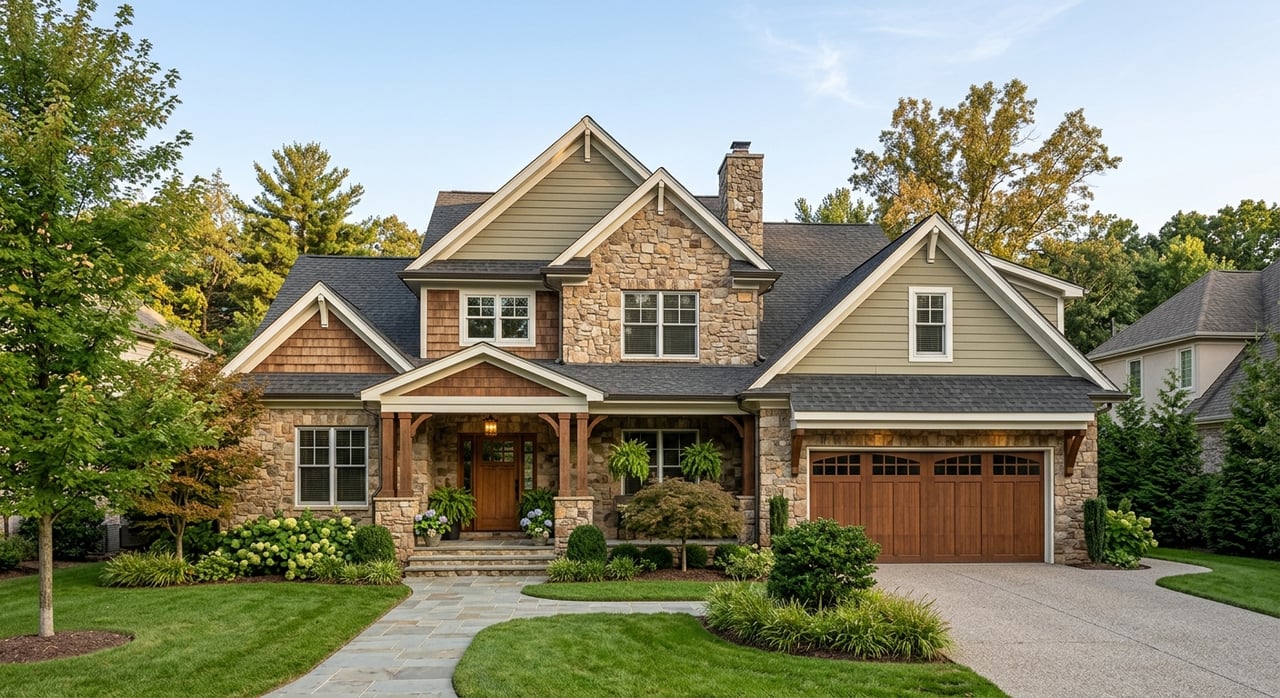
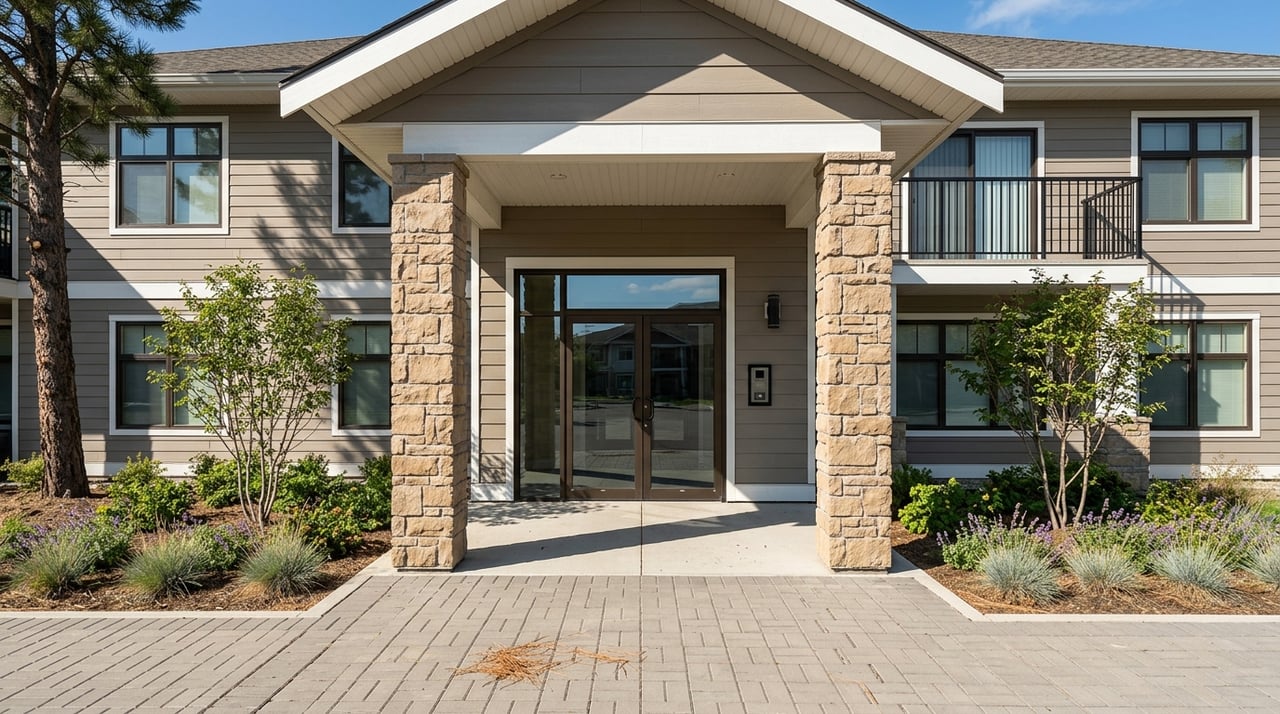
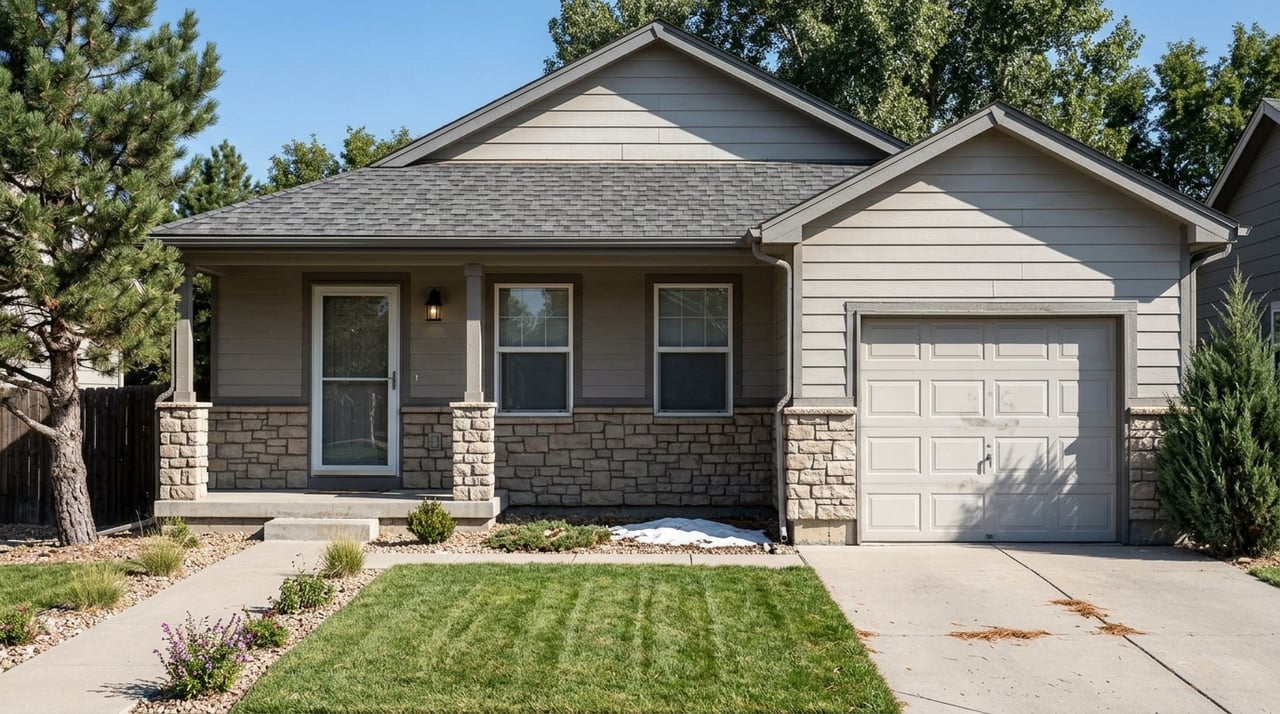
People sometimes assume housing in Estes Park is limited to vacation-style homes or a narrow set of ownership options. In reality, the Estes Park Housing Authority lists a public mix of apartment and condo communities, including Cleave Street Apartments, Falcon Ridge, Lone Tree Village Apartments, The Pines Apartments, Talons Pointe Apartments, Beaver Brook Crossing, Fall River Village, Grand Estates Apartments, Peak View Apartments, and Vista Ridge Condominiums.
The housing authority also offers down-payment and workforce housing assistance programs. For buyers, renters, and people planning a future move, that adds important context. Estes Park may be a mountain town, but it includes a broader housing picture than many first-time observers expect.
What Everyday Life Really Comes Down To
Beyond the tourist season, Estes Park feels less like a getaway and more like a functioning small town with a strong outdoor backbone. You have local groceries, year-round dining, public services, community spaces, and trail access woven into daily life. You also have seasonal realities like snowfall, changing transit options, and a climate that asks you to stay prepared.
If you are considering a move, a purchase, or a long-term property decision, the key question is not whether Estes Park is beautiful. It is whether the town’s year-round rhythm matches the way you want to live. For many people, the answer becomes much clearer once they look beyond summer.
If you want help thinking through a move, investment, or next property step with steady, practical guidance, reach out to Kenneth Allen.
FAQs
What is winter weather like in Estes Park, Colorado?
- Winter in Estes Park is often milder during the day than some people expect, with NOAA normals showing average January temperatures of 40.0°F during the day and 18.9°F at night, but the town also averages 75.1 inches of snowfall each year.
What is daily life like in Estes Park after tourist season?
- Daily life in Estes Park after tourist season is generally quieter and easier to navigate, with free downtown parking from late October through late May, less traffic, year-round services, and continued access to parks, trails, dining, and community programs.
What parts of Estes Park are useful for everyday living?
- Areas that are especially useful for daily living include downtown and the Riverwalk core, the Lake Estes and Big Thompson corridor, West Moraine and Prospect Village, Stanley Park and Fish Creek Road, and the valley edges near Highway 7 and Hermit Park.
Can you run most errands locally in Estes Park?
- Yes, many day-to-day errands can be handled locally in Estes Park through grocery options, restaurants, small services, the library, the community center, and urgent care, although some households may still choose larger shopping trips to Front Range cities.
Are there year-round things to do in Estes Park, Colorado?
- Yes, year-round activities in Estes Park include town trails, parks, library programs, community center classes, town events, museum programs, and dining options that remain open beyond the busiest visitor months.
Are there housing options besides single-family homes in Estes Park?
- Yes, the Estes Park Housing Authority lists a mix of apartment and condo options, and it also provides down-payment and workforce housing assistance programs for eligible residents.