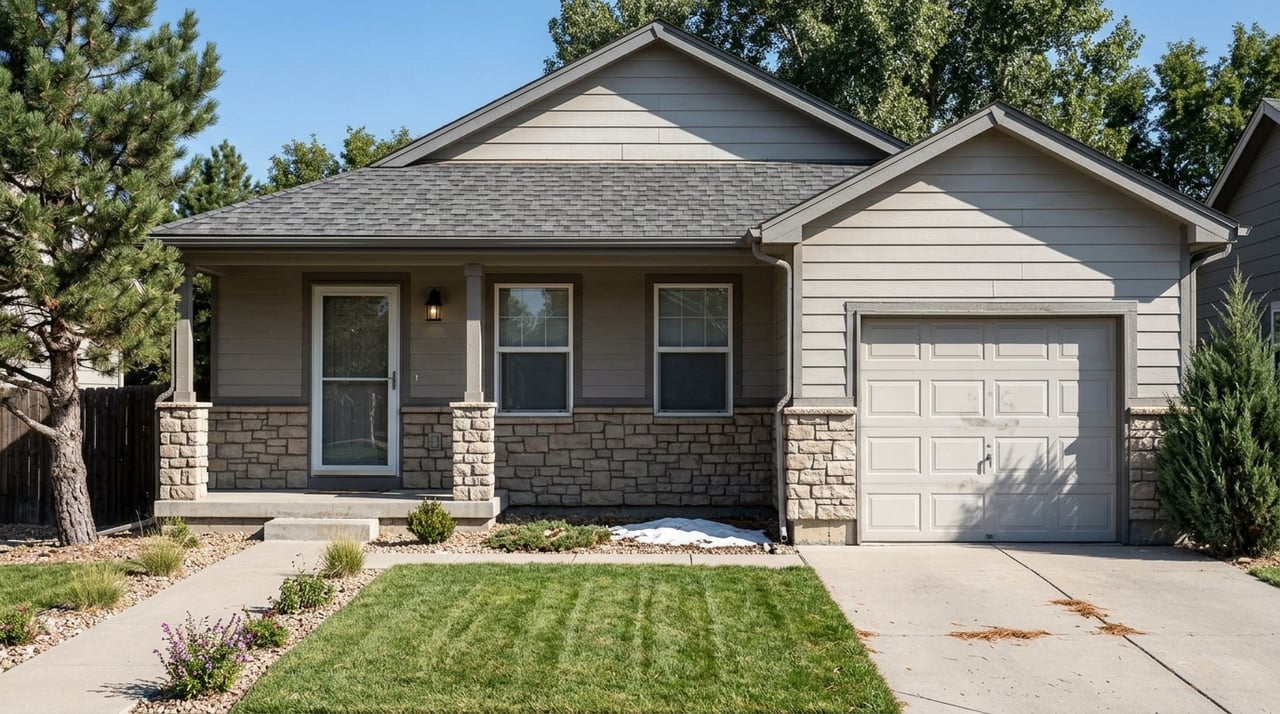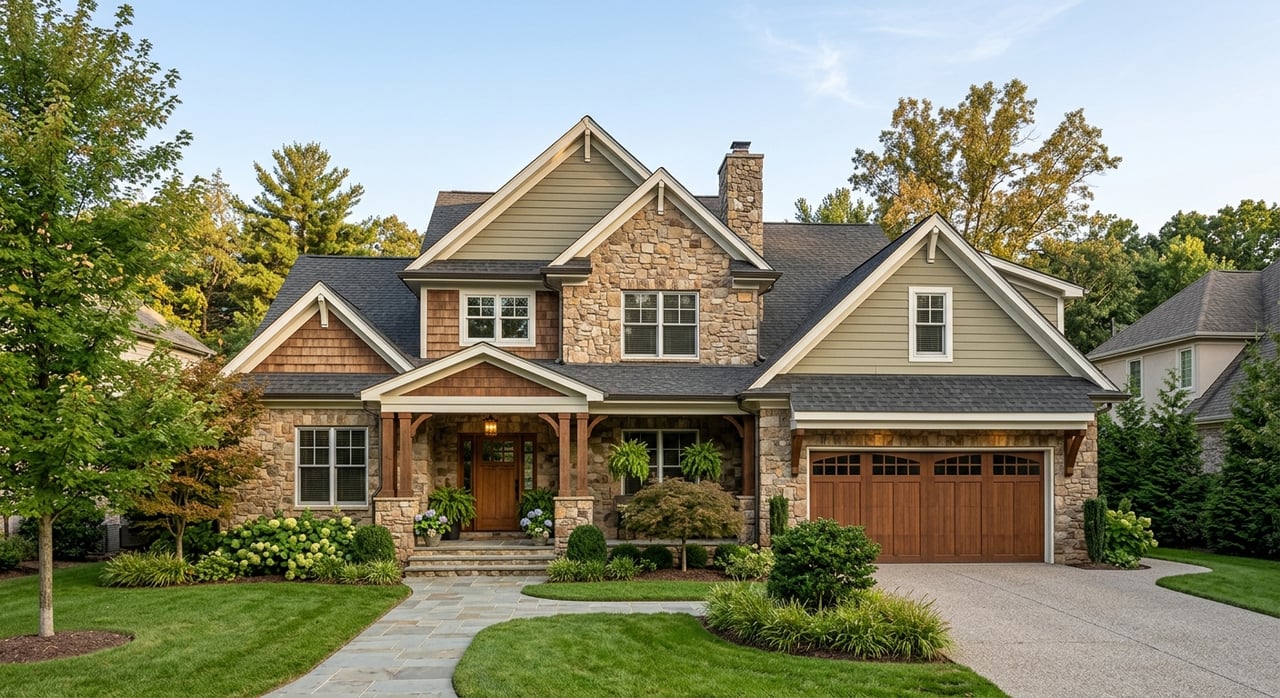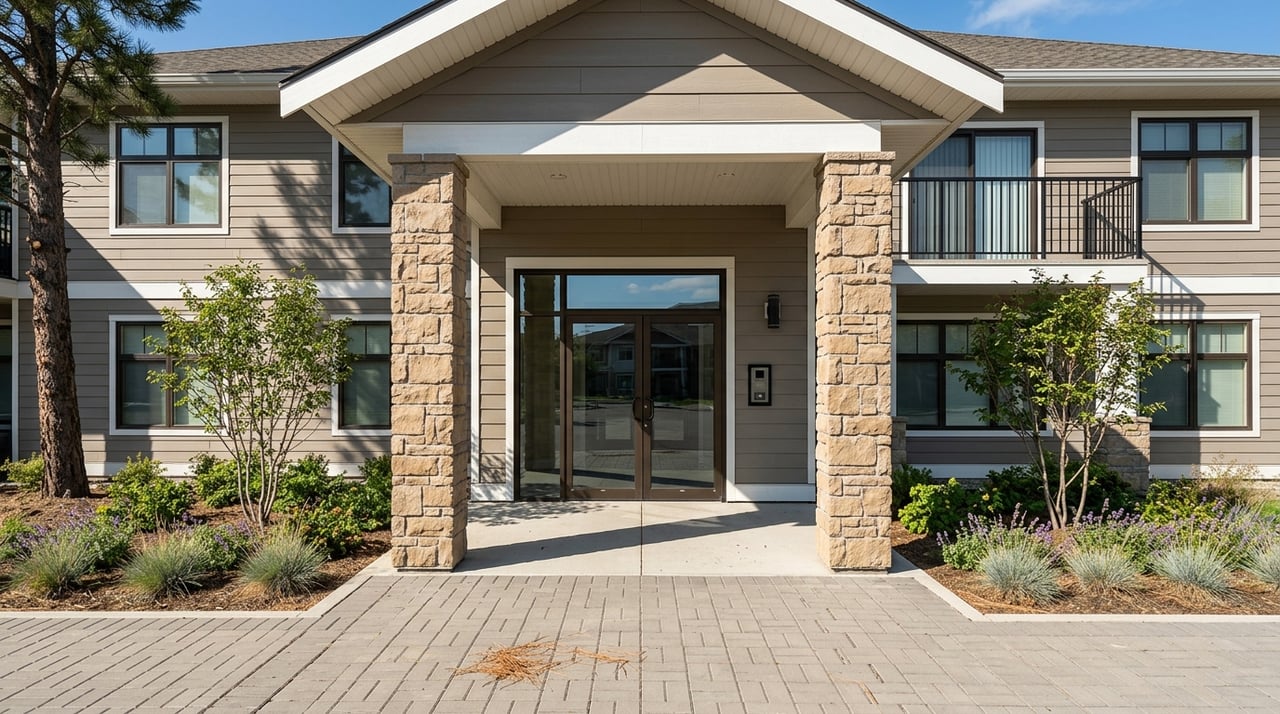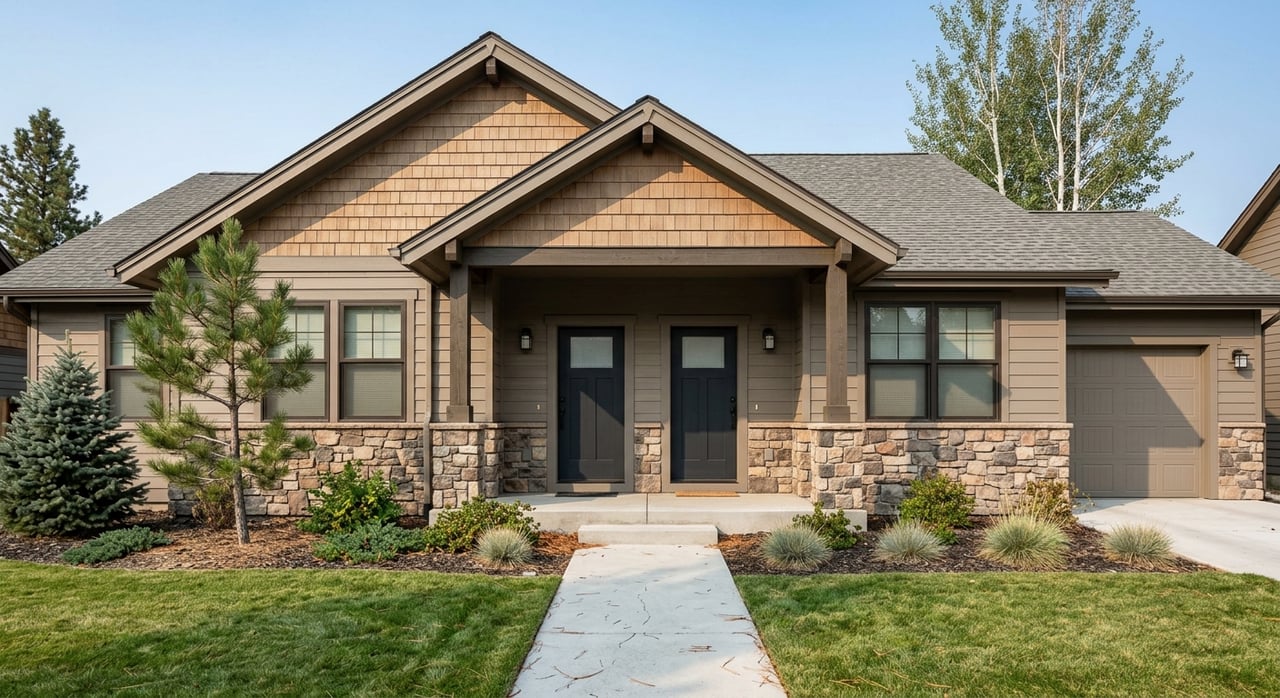
Wondering whether an Estes Park cabin or condo is the better fit for your plans? You are not alone. In a high-priced mountain market where lifestyle, upkeep, and rental rules can change the math quickly, the right choice depends on how you want to use the property and how hands-on you want to be. This guide will help you compare costs, maintenance, rental considerations, and day-to-day lifestyle so you can make a more confident decision. Let’s dive in.
Estes Park Price Picture
Estes Park is an expensive market by Colorado standards, so it helps to start with a realistic budget range. Redfin reported a median sale price of $620,000 in March 2026, while Zillow’s home value index placed the typical value at $687,330 as of April 30, 2026. Those are different data points, but both show that buyers are shopping in a relatively high price band.
Condos can offer a lower entry point, though prices still vary quite a bit. Redfin showed 39 condos for sale with a median listing price of $540,000, while current Zillow examples ranged from about $260,000 to more than $732,000. Smaller units were often listed around $340,000 to $400,000, while larger condo or townhouse-style properties pushed higher.
Cabins also span a wide price range. Current examples include a cabin listed at $399,000 with a transferable short-term-rental permit, another around $540,000, and a luxury cabin listed at $1.195 million. In Estes Park, price is shaped by more than property type, including lot size, views, condition, updates, and rental readiness.
Cabin Vs Condo Basics
At a high level, cabins and condos serve different goals. A cabin often appeals to buyers who want privacy, outdoor space, and a classic mountain-retreat feel. A condo often works better if you want simpler ownership, easier in-town convenience, and fewer exterior responsibilities.
That difference matters even more in Estes Park because of the local setting. The town sits at 7,522 feet and borders Rocky Mountain National Park, so weather, elevation, and wildfire conditions can affect how much time and money you spend maintaining a property. What looks charming on a listing sheet can feel very different once you own it.
Why A Cabin May Fit You
A cabin can be a strong choice if you picture yourself enjoying a more independent mountain property. Many cabin listings emphasize views, patios, parking, and close access to outdoor recreation. If your ideal getaway includes more privacy and a stronger sense of separation from neighbors, a cabin may feel more aligned with that vision.
Cabins can also appeal to buyers who are exploring short-term rental use. Some listings are already marketed with existing permit status, which may make them look more turnkey at first glance. Still, permit status should always be verified carefully because local rules depend on jurisdiction and not every approval transfers with a sale.
There is a tradeoff, though. With a cabin, you are usually taking on more direct responsibility for the property itself, including exterior maintenance, vegetation management, and ongoing fire-safety attention.
Cabin Ownership Responsibilities
Owning a cabin usually means you need to stay on top of more hands-on tasks. In a mountain environment, that can include:
- Roof and gutter upkeep
- Deck maintenance
- Vegetation management around the home
- Access and address visibility
- Fire mitigation and defensible space work
Local fire guidance and rental safety rules make this especially important. The Estes Valley Fire Protection District’s short-term-rental guide notes requirements tied to inspections, annual operational permit fees, alarms, extinguishers, fire apparatus access, fire-suppression water supply, proper address numbers, and defensible space. Even if you are not planning to rent, the local setting makes ongoing upkeep part of ownership.
Why A Condo May Fit You
A condo often makes sense if you want a more lock-and-leave style of ownership. For many buyers, that means less stress around exterior upkeep and a property that is easier to use as a second home. If you expect to come and go throughout the year, that simplicity can be a major advantage.
Colorado DORA notes that in condo communities, the association is generally responsible for maintenance, repair, and replacement of common elements, while each owner is responsible for their own unit. Regular assessments may help cover maintenance, landscaping, insurance, and other costs. That setup can make condo ownership feel more predictable on the maintenance side.
The tradeoff is that convenience comes with shared rules and shared expenses. You will need to review the HOA’s governing documents and financials closely because the association can control maintenance decisions, rental restrictions, and special assessments for major repairs or reserves.
Condo Questions To Ask
If you are leaning toward a condo, make sure you look beyond the list price. Key questions include:
- What do the monthly HOA dues cover?
- Are there any upcoming special assessments?
- What maintenance is the owner still responsible for?
- Does the HOA allow short-term rentals or place limits on leasing?
- Are the HOA finances and reserves in healthy shape?
A condo can reduce exterior headaches, but only if the association is well run and the rules match how you plan to use the property.
Short-Term Rental Rules Matter
If rental income is part of your plan, the exact address matters. The 80517 ZIP code includes both the Town of Estes Park and unincorporated Estes Valley, and the rules are not the same. Larimer County governs unincorporated areas, while the Town of Estes Park regulates vacation homes inside town limits.
In Larimer County, a short-term-rental license is required before you advertise or operate. Rentals are limited to stays of 30 days or less, and a short-term rental is limited to 10 or fewer guests. As of January 1, 2026, county renewals require a $250 fee every two years, and residential zones in the Estes Valley have a cap of 208 registrations plus a waitlist.
Inside the Town of Estes Park, vacation homes require a business license and annual renewal by January 31. The application requires a local resident or local property manager. Town rules also require at least two off-street parking spaces for vacation homes, cap residential-zone occupancy at eight unless a large-vacation-home review is approved, and limit off-street parking in residential zones to the number of bedrooms.
There are also operating costs to factor in. Visit Estes Park says the Local Marketing District tax is 5.5% on stays shorter than 30 days. On top of that, condo owners need to account for any HOA leasing rules, while cabin buyers need to verify whether an existing permit is actually transferable or whether a new application will be required.
Transferability Can Change The Deal
This is one of the biggest details buyers miss. A current listing may mention an active short-term-rental permit or license, but that does not always mean you can simply step into it after closing. In Larimer County, short-term-rental licenses are generally not transferable when a property sells, except for limited exceptions.
That means you should never assume a property’s current rental setup will continue automatically. If rental use is a key part of your financial plan, confirming the jurisdiction, permit status, and applicable local rules should happen early. This is true whether you are looking at a cabin or a condo.
Lifestyle Match Matters Most
The better choice often comes down to how you want the property to fit into your life. A cabin usually works best if you want privacy, outdoor living, and a stronger mountain-home experience and you are comfortable with more maintenance and fire-mitigation responsibilities. A condo usually works better if you want simpler ownership, easier seasonal use, and fewer exterior tasks, even if that means paying HOA dues and accepting association rules.
There is no one-size-fits-all answer in Estes Park. Two properties at similar price points can offer very different ownership experiences once you account for upkeep, rental restrictions, and location. Choosing well means looking past the style of the property and focusing on how you will actually use it.
A Simple Decision Framework
If you are comparing options, use this quick framework:
Choose A Cabin If You Want
- More privacy and outdoor space
- A stronger mountain-retreat feel
- Potential short-term-rental appeal, depending on local rules
- More control over the property itself
- Comfort with hands-on maintenance and wildfire mitigation
Choose A Condo If You Want
- Lower exterior maintenance responsibility
- A lock-and-leave second-home setup
- In-town convenience
- Shared maintenance through an HOA
- A simpler ownership experience, with the tradeoff of dues and rules
How To Compare Properties Wisely
When you are deciding between a cabin and a condo in Estes Park, it helps to compare each option through the same lens. Focus on total ownership experience, not just the listing photos or asking price. That means reviewing jurisdiction, rental rules, parking, maintenance demands, HOA terms, and expected ongoing costs.
A steady, patient approach can save you from expensive surprises later. If your goals include personal use, future resale, or possible rental income, you need a clear picture of how the property will perform in real life, not just on paper. That is where local guidance and careful due diligence matter most.
Whether you are buying a mountain getaway, a second home, or an investment-minded property, having the right strategy upfront can make the decision much easier. If you want help thinking through tradeoffs, property use, and ownership costs, connect with Kenneth Allen for clear, practical guidance.
FAQs
Can you short-term rent a cabin or condo in Estes Park?
- It depends on the exact property location, because rules differ between the Town of Estes Park and unincorporated Estes Valley, and condo communities may also have HOA rental restrictions.
Does a short-term-rental license transfer with an Estes Park home sale?
- Not usually. Larimer County says short-term-rental licenses are generally not transferable when a property sells, except for limited exceptions.
Do Estes Park condos reduce maintenance work?
- Usually yes for exterior and common elements, because the HOA generally handles those areas, but you still need to review dues, rules, and financial documents carefully.
Are cabins in Estes Park more work to maintain?
- In most cases, yes. Cabin ownership often includes more direct responsibility for exterior upkeep, vegetation management, access, and fire mitigation.
What parking rules apply to Estes Park vacation homes?
- In the Town of Estes Park, vacation homes generally need at least two off-street parking spaces, and in residential zones off-street parking is limited to the number of bedrooms.
What is the main tradeoff between a cabin and a condo in Estes Park?
- A cabin usually offers more privacy and a stronger mountain feel but requires more upkeep, while a condo usually offers easier ownership but comes with HOA dues and association rules.