What does your ideal Boulder day look like? If that answer starts with coffee and errands on foot, a quieter neighborhood street, or a trail just minutes from your door, your home search should reflect that rhythm. In Boulder, lifestyle fit is often less about one “best” area and more about choosing the daily routine you want to live, so let’s dive in.
Why Boulder Feels So Different Block to Block
Boulder offers a lot of variety in a relatively compact area. The city reports 45,000 acres of preserved open space and more than 150 miles of trails, while 74% of residents live within walkable 15-minute neighborhoods, 85% have access to comfortable bikeways, and 82% have convenient access to local or regional transit routes.
That helps explain why Boulder can feel urban, residential, and trail-connected all at once. The city’s planning framework, including the Boulder Valley Comprehensive Plan and subcommunity plans, shapes neighborhood character, land use, and transportation patterns across places like Downtown, North Boulder, South Boulder, and Gunbarrel.
Urban Boulder: Best for Car-Light Living
If you want short errand runs, easy access to restaurants, and a stronger chance of living near shops or transit, Boulder’s urban areas may feel like the right fit. In general, this lifestyle lines up best with Downtown, Pearl Street, University Hill, and Boulder Junction.
Downtown and Pearl Street
Downtown Boulder and the Pearl Street Mall are the city’s clearest urban anchors. Pearl Street Mall is a four-block pedestrian destination, and downtown includes shopping, lodging, restaurants, services, and events in Boulder’s largest and most architecturally significant commercial district.
The tradeoff is parking. Downtown includes garages and on-street pay parking, so the convenience of walking to more places often comes with less private parking and more shared public access.
Boulder Junction
Boulder Junction offers a more transit-oriented version of urban living. The area was designed as a mixed-use district where people can live, work, shop, and connect to regional transit, with RTD’s Depot Square station serving as east Boulder’s transit hub.
The city describes Boulder Junction as pedestrian-oriented, with parking maximums and unbundled parking. If you like the idea of a more connected, lower-car lifestyle, this area stands out.
University Hill and the CU Area
The University of Colorado subcommunity includes the main campus, nearby neighborhoods like Hillside, University Heights, and East Ridge, plus the University Hill commercial district. According to the city’s subcommunity factsheet, 95% of this area is within one-quarter mile of transit.
This part of Boulder also includes two trailheads, three parks, and one recreation center. That mix can appeal to buyers who want an energetic setting with transportation options and quick access to daily needs.
Suburban Boulder: Best for a Calmer Home Base
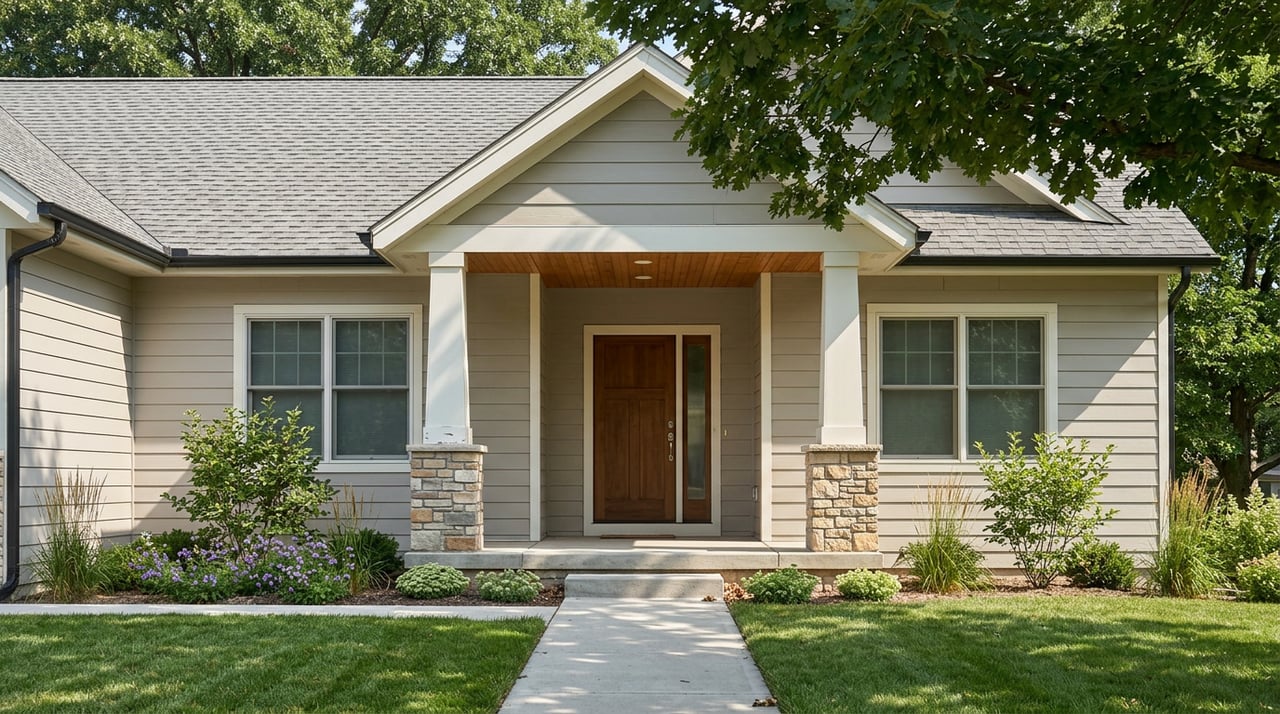
If you want a more residential feel, a bit more breathing room, and nearby parks or trails without living in the middle of Boulder’s busiest districts, North Boulder, South Boulder, and Gunbarrel deserve a closer look.
North Boulder
North Boulder is one of the city’s clearest examples of a residential area with variety. The city describes it as having different housing types, lot sizes, and street patterns from different eras, while more recent development has followed a neotraditional pattern with walkable business districts.
North Boulder also offers a strong balance of outdoor access and neighborhood amenities. The city’s factsheet lists two trailheads, 12 parks, and one community center, which helps explain why it often feels residential without feeling cut off.
South Boulder
South Boulder tends to feel established and neighborhood-centered. The city notes that more than 2,500 residential houses were added there immediately after World War II, and areas like Upper Table Mesa include medium to large homes on mostly small lots.
Chautauqua, which sits within the broader South Boulder context, is described by the city as a historic rural enclave bordered by open space. That creates a mix of everyday neighborhood living and strong outdoor identity.
Gunbarrel
Gunbarrel is often the most suburban-feeling part of Boulder’s broader planning area. City planning documents describe it as generally suburban in nature, and the Gunbarrel factsheet shows a 2015 housing mix of 5,600 dwelling units, including 2,796 single-family detached homes, 2,127 multifamily units, and 187 attached units.
That mix can matter if you want options. It gives buyers a blend of detached homes and multifamily choices, while east Boulder planning points to a future local business hub with a variety of housing options and mixed-use neighborhoods nearby.
Trailside Boulder: Best for Daily Outdoor Access
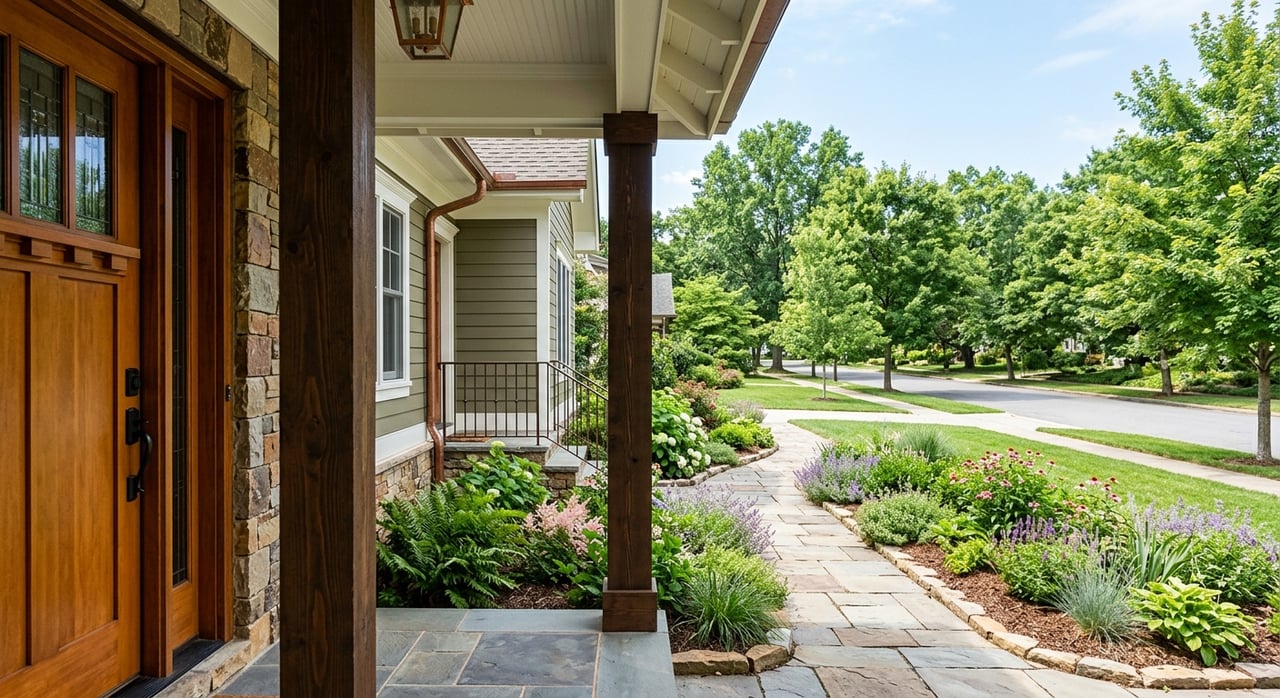
Some buyers want their lifestyle anchored by open space rather than shops or commute patterns. In Boulder, trail-adjacent living can be a great fit, but it usually comes with practical tradeoffs around parking, visitor traffic, and seasonal access patterns.
Chautauqua
Chautauqua is Boulder’s most iconic trail-adjacent area. The city describes it as a historic district and rural enclave on a southwestern mesa bordered by open space to the south and west.
It is also very popular. The city notes that the area can get crowded, has limited parking, and uses a seasonal Park-to-Park shuttle in summer, so the benefit of instant Flatirons access often comes with more visitor activity.
Wonderland Lake and North Foothills
If you want trail access in a quieter setting, Wonderland Lake and the North Boulder foothills may be worth considering. The Wonderland Lake Loop is described as a family-friendly, mobility-friendly trail.
The trailhead also has a SKIP bus connection and only 19 standard parking spaces. For many buyers, that points to a lifestyle where outdoor access is built into the week without the same intensity often seen around Chautauqua.
Table Mesa, NCAR, and South Boulder Creek
South Boulder also gives you several strong trail-access points. The NCAR trailhead has a large parking lot used to access many trails, and the South Boulder Creek Trail is mobility-friendly, runs along the creek corridor, and connects to Bobolink and Cherryvale.
The city also notes that several Open Space and Mountain Parks trailheads are accessible by bus, and all trailheads plus many access points have bike racks. If you want a neighborhood feel with regular trail use, this part of Boulder offers a strong balance.
East Boulder-Gunbarrel Edge
Trail access is not limited to the foothills. The East Boulder-Gunbarrel and Vesper trail network includes rolling grassland terrain with views toward Boulder and Niwot, plus a newer trail built on Gunbarrel Hill.
That gives the northeast edge of Boulder a different kind of trail-adjacent feel. It can feel more like a connected residential edge than a fully urban district.
How to Choose Your Boulder Rhythm
A helpful way to think about Boulder is to choose among three daily rhythms: urban and transit-first, residential and community-first, or trail-first. Each one can work well, but each asks you to prioritize something different.
If you want the easiest car-light lifestyle, Downtown, University Hill, the CU area, and Boulder Junction are usually the strongest match. If you want a calmer home base with a better chance of a detached home or smaller-lot residential setting, North Boulder, South Boulder, and Gunbarrel often make more sense.
If your ideal day starts with open space, Chautauqua, Wonderland Lake, and the Table Mesa or NCAR edge stand out. In those areas, the biggest question is often whether you are comfortable with the realities of trail traffic, parking limits, or seasonal access patterns.
Don’t Forget the Commute Piece
Even in a lifestyle-driven search, commute patterns still matter. Boulder’s main regional transit spine is US 36, and RTD describes the Flatiron Flyer as 18 miles of high-frequency bus rapid transit between downtown Denver and Boulder, including stations at US 36/Table Mesa and Downtown Boulder.
Boulder Junction serves as the east Boulder transit hub, and the city confirms that multiple local and regional bus routes connect neighborhoods across Boulder and the metro area. If you expect to rely on transit regularly, that can help narrow your search quickly.
A Smart Search Starts With Your Routine
The best Boulder neighborhood for you may not be the one with the most buzz. It is the one that supports the kind of week you actually want to repeat, whether that means walking to dinner, having parks close by, or reaching a trail before work.
That is where local guidance can make the process feel a lot clearer. If you want help weighing Boulder lifestyle tradeoffs, investment potential, or long-term ownership goals, Kenneth Allen can help you think through the options with a steady, local perspective.
FAQs
What does urban living in Boulder usually mean for buyers?
- In Boulder, urban living usually means easier access to shops, restaurants, events, and transit in areas like Downtown, Pearl Street, University Hill, and Boulder Junction, often with tradeoffs around parking and housing style.
What does suburban-style living in Boulder usually look like?
- In Boulder, a more suburban or residential lifestyle usually points buyers toward North Boulder, South Boulder, or Gunbarrel, where the setting often feels calmer and more neighborhood-focused.
What should buyers know about trail-adjacent living in Boulder?
- In Boulder, living near trails can mean great daily outdoor access, but it can also come with limited parking, visitor traffic, or seasonal shuttle and access considerations depending on the area.
Which Boulder areas are best for transit access?
- For Boulder buyers who want strong transit access, Downtown, the CU area, University Hill, and Boulder Junction are typically the easiest fit based on the city’s transit and neighborhood patterns.
Is Gunbarrel part of a Boulder lifestyle search?
- Yes. Gunbarrel is part of Boulder’s broader planning area and is often considered by buyers who want a more suburban feel, a mix of housing types, and access to the northeast trail network.